

What Is the Impact of Social Media on Adult Depression for Minneapolis and Edina Professionals?
- Reading Time: 9 minutes
Social media contributes to adult depression by triggering envy and amplifying the fear of missing out (FOMO). It starts an upward social comparison that contributes to unbalanced dopamine loops, worsening isolation, and increasing symptom severity.
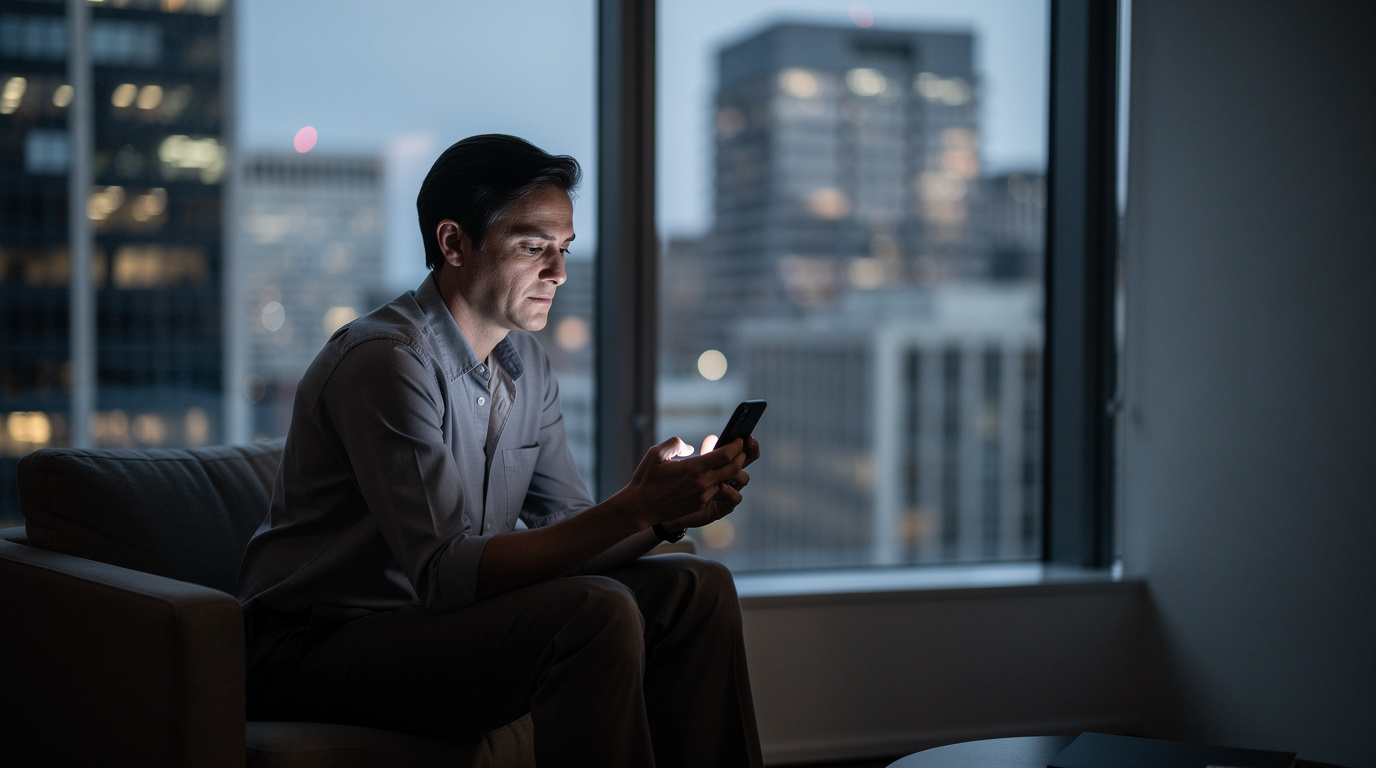
Statistical data shows that roughly 6 billion people online are Internet and social media users. This brings the adult usage stats to a little over 70% every day. Depression worsens with excessive use, as professionals navigate work-related platforms such as LinkedIn. They start comparing themselves to the apparently successful people behind the screen, which worsens depressive symptoms.
Adults in Minneapolis and Edina also face online harassment or malicious comments in digital network spaces. This contributes to mood decline and social withdrawal, despite consistently using social media platforms every day. Prolonged passive scrolling on social media also reduces real-life interactivity, feeding the feeling of loneliness. At Cabot, we have seen that clients who rely heavily on social media for their social interactions often experience worse symptoms of depression.
Coping strategies, such as self-esteem management, reduce dopamine loop triggers and improve one’s perception of themselves over time. Setting boundaries for social media, whether they are work-related or not, decreases negative thought patterns and improves one’s mental well-being.
- Amanda Mulfinger, PhD, LP
- Updated: December 3, 2025
Table of Contents
ToggleHow Does Social Media Contribute to Depressive Symptoms in Adults?

Social media contributes to depressive symptoms in adults because it fosters unrealistic standards and undermines a person’s self-worth. Factors like curated content bias and notification addiction lead to lower life satisfaction. Sleep disruptions from scrolling lead to symptoms like irritability.
Here’s how these elements contribute to depression symptoms:
- Curated Content Bias
Curated content creates unrealistic standards. People scrolling on social media only see the success: the happy family, lavish vacations, and work successes. They don’t see the frustrations, missed opportunities, and overall ordinary life, which feeds the scroller’s low self-worth. In our experience, this is especially true for folks struggling with depression.
Edina and Minneapolis professionals are affected by this because they may see themselves as inferior, adding to their low mood. Studies at BMC Psychology reveal that 12% of the posts that are labeled as #nofilter are, in fact, passed through filters.
- Notification Addiction
Receiving notifications on one’s posts offers a dopamine boost, causing users to constantly check their profiles for social “approval.” This causes them to constantly post, reacting negatively when their content does not get the expected reaction.
The dopamine loop intensifies mood vulnerability and dependency, triggering envy when they see other people’s “more successful” posts. With time, this worsens as the person wants even more reactions, causing them to feel unfulfilled. This correlates to issues like stress, depression, and anxiety.
- Late-Night Scrolling
Scrolling through social media before sleep seems like a good idea to wind down, but it disrupts sleep. The blue light from the screen suppresses the production of melatonin, which makes it more difficult to fall asleep. Many of our clients with sleep issues show immediate improvement when they set their phone aside an hour before bedtime.
Social media also triggers pre-sleep cognitive arousal, where you think about what you see or wait for your next notifications. Activities like “doom scrolling” make it difficult to fall asleep, as that “one more reel and I’ll go to sleep” turns into two hours of watching reels.
What Role Does Social Comparison Play in Depression?
Social comparison diminishes satisfaction with your own achievements and triggers envy when you see other people’s success. This plays a role in mood decline, as residents in Minneapolis and Edina watch curated highlight reels on professional platforms like LinkedIn or Instragram.
The self-evaluation theory suggests that the average person assesses their worth when they juxtapose themselves with others. Some LinkedIn comparisons motivate growth, but vulnerable individuals may experience mood declines when they see successful people. Depression amplifies negativity, making them feel like their achievements are small and insignificant.
Achievements by social media “friends” or colleagues, such as promotions, buying a house, or even going on a trip, could easily lead to envy. This reinforces depressive patterns as people unconsciously measure their worth based on the success of their peers. In our experience, it takes very intentional effort to slow down these instinctive reactions.
How Does Excessive Use Affect Sleep and Mood?
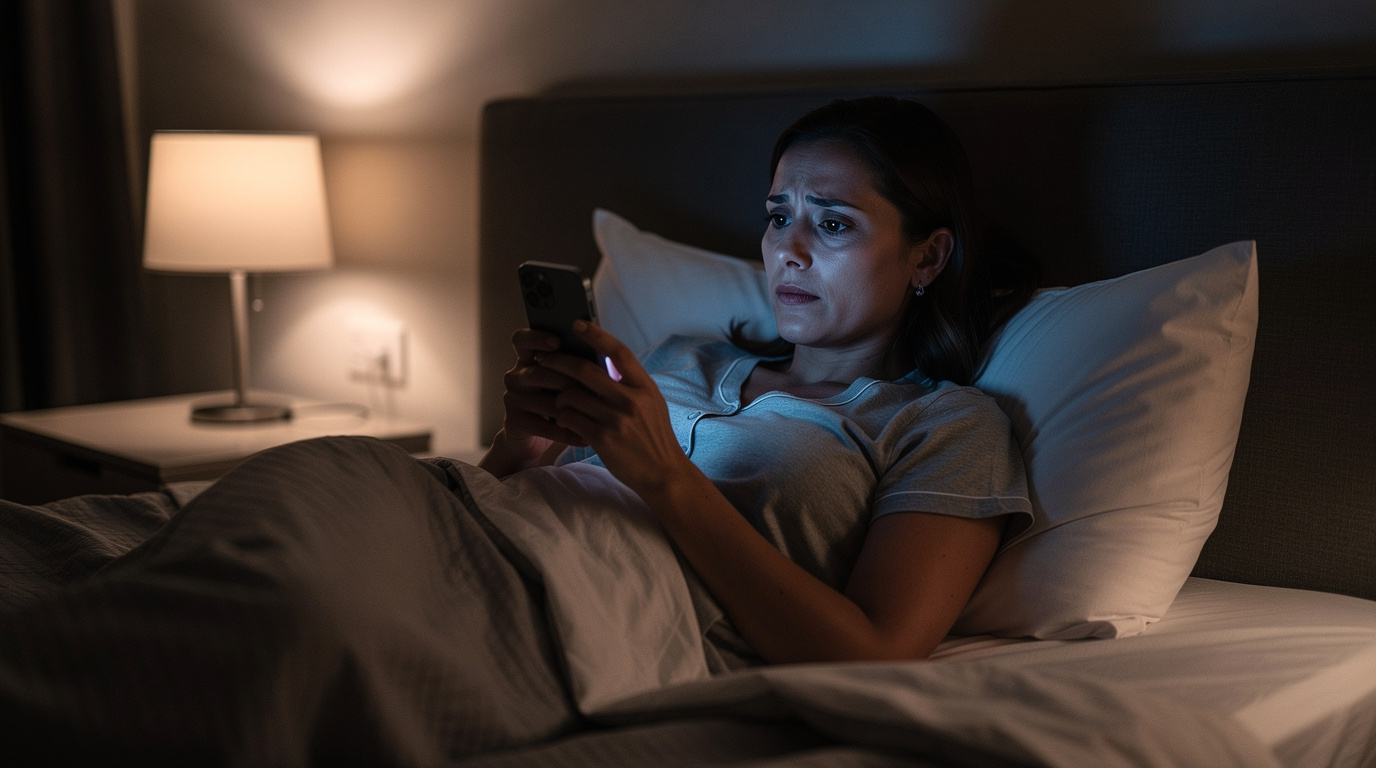
Excessive use of social media affects sleep and mood because it disrupts rest and lowers your daily energy levels for the next day. Excessive patterns reinforce the habits, as they cause you to scroll through your feed every night. With time, it becomes harder to break the cycle, leading to insomnia and exacerbating the symptoms of depression.
Here’s what happens during late-night scrolling:
- Blue Light Suppression of Melatonin: Blue light reduces or delays the body’s natural ability to produce melatonin, which is responsible for inducing sleepiness. This makes it harder to fall asleep, as the body still thinks it’s early.
- Circadian Misalignment: The mistimed exposure to light confuses the internal clock of the body. This throws off the natural sleep-wake rhythm, causing you to fall asleep too late or experience fragmented sleep.
- Mood Volatility: Studies at Washington University School of Medicine show that sleep deprivation reduces dopamine and other neurotransmitter activity by up to 15%. This increases the risk of depressive symptoms and mood swings with long-term use of social media.
Professionals on Reddit also link doomscrolling to professional burnout, as people constantly compare themselves to “successful” peers. This increases their stress levels and leads to underperformance, especially when you add sleep deprivation into the mix.
What Positive Aspects of Social Media Can Support Mental Health?
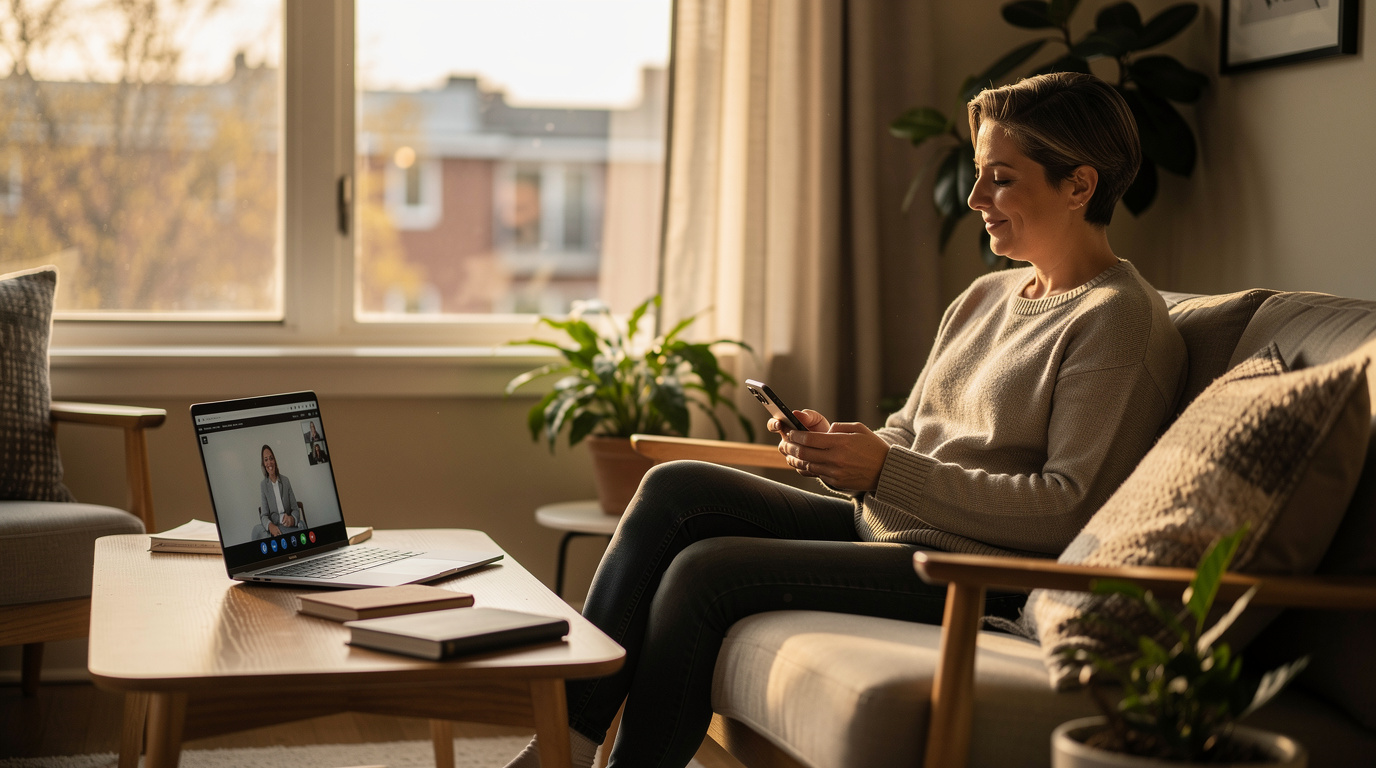
Social media has its positive aspects, as it offers encouragement in the right circumstances. Moderate use of social media facilitates outreach, connecting individuals to support networks they normally would not have access to. Connection maintenance becomes easier to do when everything is at the click of a button.
For example, support groups on social media allow individuals with depression to share their thoughts and feelings while obtaining coping strategy tips. The ability to post anonymously within these groups decreases stress caused by stigma while reducing the feeling of loneliness. We have seen clients at Cabot thrive by joining online support groups and using them responsibly.
Subscribing to inspirational content is also uplifting. For example, coping stories from other residents in Edina or Minneapolis show you that you are not alone in your journey and boost your resilience. Motivational content from mental health advocates provides validation while offering the coping tools you need to recover.
How Can Online Communities Help Depressed Professionals?
Online communities help depressed professionals because they offer validation for their feelings. Professionals find solidarity among individuals with similar problems to theirs and seek help through shared experiences.
Here’s how social media helps:
- Peer Support Forums
Platforms like Reddit or Facebook have sub-threads or groups where users can ask for mental health support based on their area. For example, someone suffering from depression can ask for tips and insights from Redditors or social media dwellers who have experienced this issue before and managed to recover with time.
- Anonymity Benefits
Reddit and Facebook groups allow their users to post under an anonymous label, making it easier to open up about difficult topics. This makes them more likely to reach out, especially when they don’t want their co-workers or employers to find out about their struggles. This is useful, as data from Staffing Industry Analysts (SIA) show that 88%[1] of managers would fire employees for content found in their social media posts.
- Resource Sharing
Professionals in the Twin Cities use social media to find resources to help them cope with depression. For example, someone who can’t afford therapy can use social media to find support groups that are free or covered by insurance. They can also find therapists with experience in their specific issues, based on peer feedback.
[1] 88% of US hiring managers would fire a worker over a social media post. (2023, June 25). Staffing Industry Analysts (SIA). https://www.staffingindustry.com/news/global-daily-news/88-us-hiring-managers-would-fire-worker-over-social-media-post
What Coping Tips Can Minneapolis and Edina Adults Use to Mitigate Social Media Impacts?

Effective tips to promote balance include setting limits, curation, and engaging in offline activities. This allows professionals in Minneapolis and Edina to cope with intentional usage, especially when they are dealing with stress and low moods.
Here’s how adults in Minneapolis and Edina can set boundaries and mitigate the impact of social media:
- Do a Digital Detox: Set regular times during the day or week where you just “unplug.” For example, stay off social media for the rest of the night after dinner or take the occasional “tech-free weekend.” One client at Cabot set a “tech-free Sunday,” and found that they felt closer to their family as a result.
- Perform Content Curation: Unfollow the content that makes you anxious and constantly has you comparing yourself to others. Prioritize accounts that uplift you instead.
- Disable Notifications: Disable notifications that are not essential. Leave your messages or interactions with a recent post, but close highlights from your peers. This keeps you from constantly being pulled back into the app.
- Use Time Trackers: Most phones have a feature that monitors and limits your daily usage. Also use productivity apps and add-ons that restrict or block social media during specific times of day, keeping you from slipping into doomscrolling.
- Engage in Offline Activities: Engage in hobbies that don’t involve screens. This includes journaling, walking, or reading. Pew Research Center data shows that around 30%[1] of people read books in eBook formats, but while Redditors praise the ability to read on phones, it’s better to use an eReader instead. This reduces social media distractions.
- Try Mindfulness: Consider engaging in mindfulness for daily symptoms when you feel the urge to go on social media. Grounding exercises, such as meditation or deep breathing, put the focus on yourself so you’ll not be as compelled to check on others.
Adhering to these tips seems difficult at first, but the psyche eventually adjusts. With time, you will no longer feel as compelled to look to social media for gratification.
How to Set Healthy Social Media Boundaries?
Boundaries like no-phone zones and screen time apps reduce exposure and help you set limits for your wellbeing. Limits allow for healthy use of social media and prevent overload, reinforcing healthy social media habits.
Here’s how individuals in Minneapolis and Edina can set healthy social media boundaries:
- Use App Blockers
App blockers and screen time tools (e.g., Freedom or AppDetox) allow you to restrict or block social media apps during specific circumstances. This includes specific times of the day or after you’ve already used the app for a certain time.
Screen-time and friction apps are also good because they let you keep using the app, with limits. They let you know when you reach a certain limit you placed. For instance, Instagram has a sleep feature that hides notifications in the evening and only tells you the next day about them.
- Designated Scroll Times
Set up an area where you are not allowed to use your phone. This includes the bedroom before going to sleep, the dinner table, while taking walks, or when you’re out with your friends. One clinician at Cabot jokes that the no-dinner rule is now reinforced by her young child, who enjoys the screen-free meals.
You can also set no-scroll times during the most tempting moments, such as in the hour after waking or the hour before bed. This helps balance your circadian rhythm and reduces time on social media. The tactic is helpful because data from the US San Francisco shows that average social media time rose from 7 to 73 minutes every day. This increases depression symptoms by 35%[2].
- Unfollow Strategies
Regularly mute social media posts that trigger anxiety and comparisons. If you don’t want to completely block or delete certain people, choose to unfollow them. This way, they won’t be notified that you unfollowed them, but you won’t see their posts either.
What Offline Activities Counter Social Media Effects?
Offline activities like engaging in local MN hobbies restore real connections and counter virtual fatigue. Consider the following activities to stay offline and boost your mood:
- Engage in nature walks in the scenic points and trails in and near Minneapolis and Edina
- Join hobby clubs that bring you a sense of accomplishment, such as hiking, reading, acting, etc.
- Engage in face-to-face networking by going to local community events
Staying offline boosts authenticity because you’re more likely to see the whole picture. You don’t just see the “highlight” reel, and it lets you focus on yourself, just as you are.
[1] Faverio, M., & Perrin, A. (2022, January 6). Three-in-ten Americans now read e-books. Pew Research Center; Pew Research Center. https://www.pewresearch.org/short-reads/2022/01/06/three-in-ten-americans-now-read-e-books/
[2] Marsh, J. (2025, May 21). Yes, Social Media Might Be Making Kids Depressed. Yes, Social Media Might Be Making Kids Depressed | UC San Francisco. https://www.ucsf.edu/news/2025/05/430011/yes-social-media-might-be-making-kids-depressed
When Should Professionals in Minneapolis and Edina Seek Help for Social Media-Related Depression?

Adults in Minneapolis and Edina should seek help for social media-related depression when their low mood affects their daily functions. Professionals benefit from specialized counseling if they notice usage addiction signs like excessive social media scrolling, persistent sadness and irritability, or neglecting responsibilities.
Therapy for tech habits offered by specialists such as Cabot Psychological Services helps you understand the drivers behind the addictive behavior. Local digital wellness programs, including NAMI peer support groups, help integrate tech management within a healthy routine. This offers emotional resilience for depression in men and women.
Call Cabot for integrated help when you notice your social media behavior becoming compulsive and harmful! Telehealth is also available for those living in rural areas or who have little time to spare.

Comprehensive mental health treatment from home
90% of clients and their families would recommend Cabot Psychological Services


