

How Can Nutrition and Diet Alleviate Depression Symptoms for Minnesotans?
- Reading Time: 10 minutes
Nutrition supports brain health by delivering essential nutrients to the brain, reducing inflammation, and supporting the gut microbiome. It alleviates symptoms of depression through balanced intake, as a well-rounded diet influences neurotransmitter production and offers neural resilience.
Minnesotans adapt to seasonal produce to get their nutrients. This means they may rely on local vegetables and fresh produce in the summer and more preserved and imported produce in the winter. Urban lifestyle makes it difficult to follow a healthy diet, with CDC data showing that only 10-13% of people meet the recommended fruit intake, and barely 5-11% hit the recommended vegetable intake.
This is harmful because some nutrients affect brain functionality and make residents vulnerable to depression. For example, omega-3 fatty acids support the neural membrane function and reduce inflammation, whereas a folate deficiency impairs serotonin synthesis.
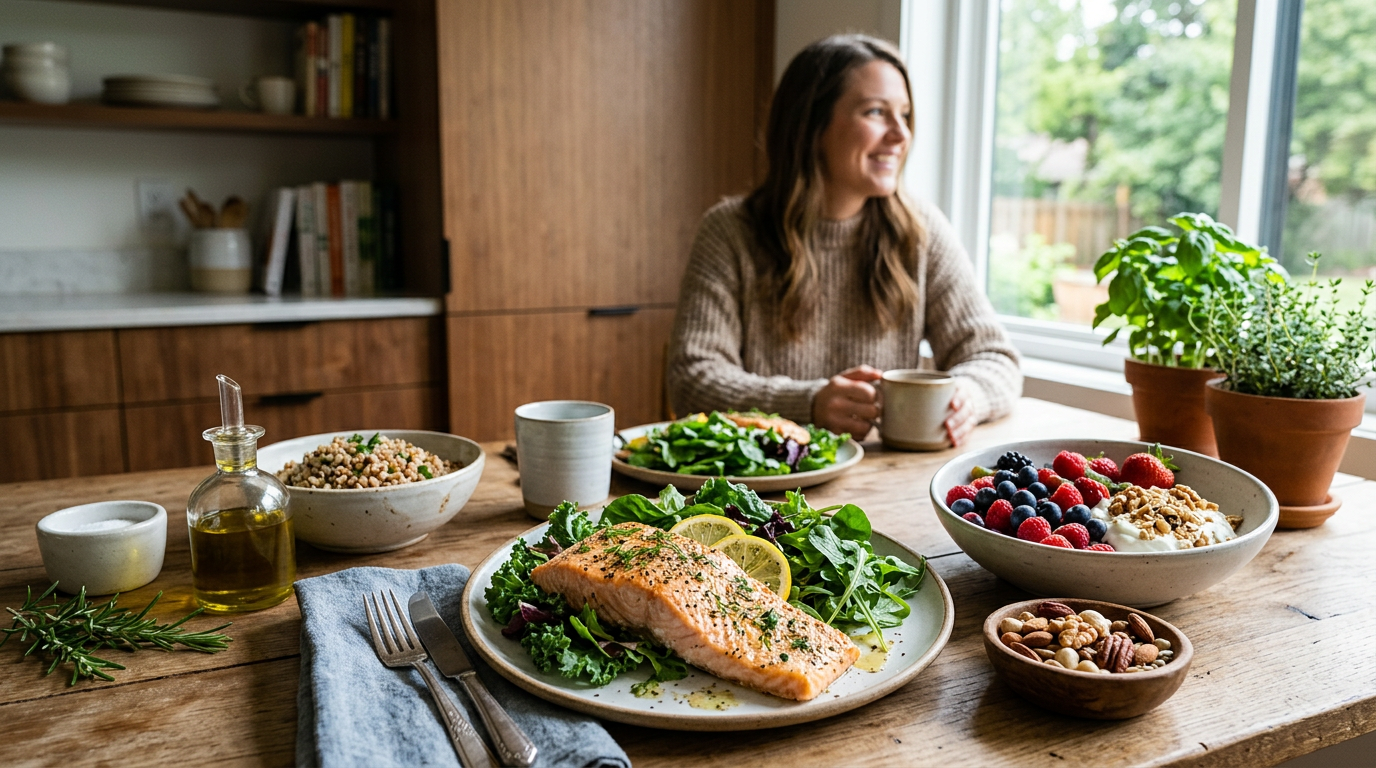
A Mediterranean diet adherence supports healthy brain function and alleviates the symptoms of depression in the long run. This diet includes fish, vegetables, legumes, whole grains, olive oil, and nuts. Harvard Health studies show that a Mediterranean diet reduces depression risk by 25-35% when compared to traditional diets. In our experience at Cabot, individuals who follow a similar diet work through depressive symptoms faster and are less likely to fall victim to debilitating depression.
When combined with physical activity prevention strategies for depression and other lifestyle changes, people with depression obtain resilience amid potential triggers in their lives.
- Amanda Mulfinger, PhD, LP
- Updated: December 3, 2025
Table of Contents
ToggleWhat Key Nutrients Are Essential for Managing Depression?
Nutrients such as omega-3s, B vitamins, and magnesium modulate the mood and help manage depression. These nutrients work in synergy and are essential for synaptic function, improving brain chemistry.
Below are several key ingredients that help manage depression:
- EPA/DHA: Long-chain omega-3 fatty acids that reduce neuroinflammation and improve neuronal membrane fluidity. Food sources like lake trout and salmon, along with canned herring or sardines, offer healthy intakes.
- Vitamin D: Influences immune signaling and neurotransmitter synthesis. The nutrient is offered through sun exposure in most cases, but availability in winter is low. Minnesotans obtain it through fatty fish, fortified dairy, and supplements.
- Magnesium: Supports the stress-response pathways and synaptic transmission. You find it in leafy greens, seeds, nuts, and whole grains.
- Antioxidants: Protect your neurons from oxidative stress and inflammation, which is common in depression. Residents of Minnesota obtain it through foods such as cranberries and blueberries.
- B-Vitamins: Nutrients like B12 and folate support serotonin and dopamine production, which modulate the mood. You can find them in foods such as dark leafy greens, legumes, eggs, and lean meats.
Healthy diet management requires diverse sourcing, with each meal featuring key nutrients for depression prevention. In our experience, getting all these nutrients can be challenging, but is worth it. Clinicians at Cabot have their own strategies, and enjoy sharing these with their clients.
How Do Omega-3 Fatty Acids Help Depressed Individuals?
Omega-3 fatty acids reduce neural inflammation and improve membrane function, which in turn helps in symptom relief for depression. Individuals benefit from regular consumption, with most Minnesotans obtaining their omega-3 through fish and fish oil supplements.
Essential omega-3s include EPA/DHA, which take on multiple biological routes. This is what happens in the body if you consume enough omega-3 fatty acids per day:
- Membrane fluidity increases, which improves neurotransmitter and receptor signaling.
- Inflammatory cytokines are modulated, protecting the neurons and influencing the mood.
- Serotonin and dopamine production pathways are stabilized, improving neurotransmitter activity.
On average, individuals should consume around 1-2 grams of omega-3 per day. This could mean eating salmon twice per day, although salmon can be substituted with fish like lake trout, mackerel, herring, or sardines.
When fish intake is low (e.g., during winter, when lakes are frozen or access is limited), consider taking fish oil supplements. Most clinicians recommend fish oil at about 1,000-2,000 mg every day, with at least 60% EPA, but the amount depends on your diet. (Side note: these supplements can be large, and can taste fishy, so it might be worth spending a little extra to get the smaller, “no after-taste” version!)
Supplements are meant to complement your lifestyle, so if you already get omega-3 from natural sources, the supplement dosage needs to be adjusted.
What Role Do B Vitamins Play in Mood Regulation?
B-vitamins facilitate conversion in the serotonin and dopamine pathways. They help the brain keep a more stable connection between the neurons, with the biochemical regulation stabilizing your emotions throughout the day.
Here’s what happens when you consume them regularly:
- Folate: Aids the methylation process, which is involved in serotonin production. Residents in Minnesota can find it in foods such as kale, spinach, and Swiss chard.
- B12: Works with folate to turn homocysteine into methionine, supporting emotional and cognitive resilience. Homocysteine lowering plays an important part in energy metabolism, ensuring the brain cells have enough fuel to work under stress. You can find B12 in dairy and eggs.
Minnesota residents on Reddit recommend incorporating wild rice into your diet when managing depression. The ingredient is common in the area and offers plant-based folate while pairing effectively with proteins that offer B12. This allows residents to enjoy a balanced meal that’s not just regionally authentic, but also friendly on the brain. Even better if you can purchase your wild rice from a Native distributor, as wild rice is sacred in Native cultures, and you can help support them directly in this way.
How Does the Gut-Brain Axis Link Diet to Depression?
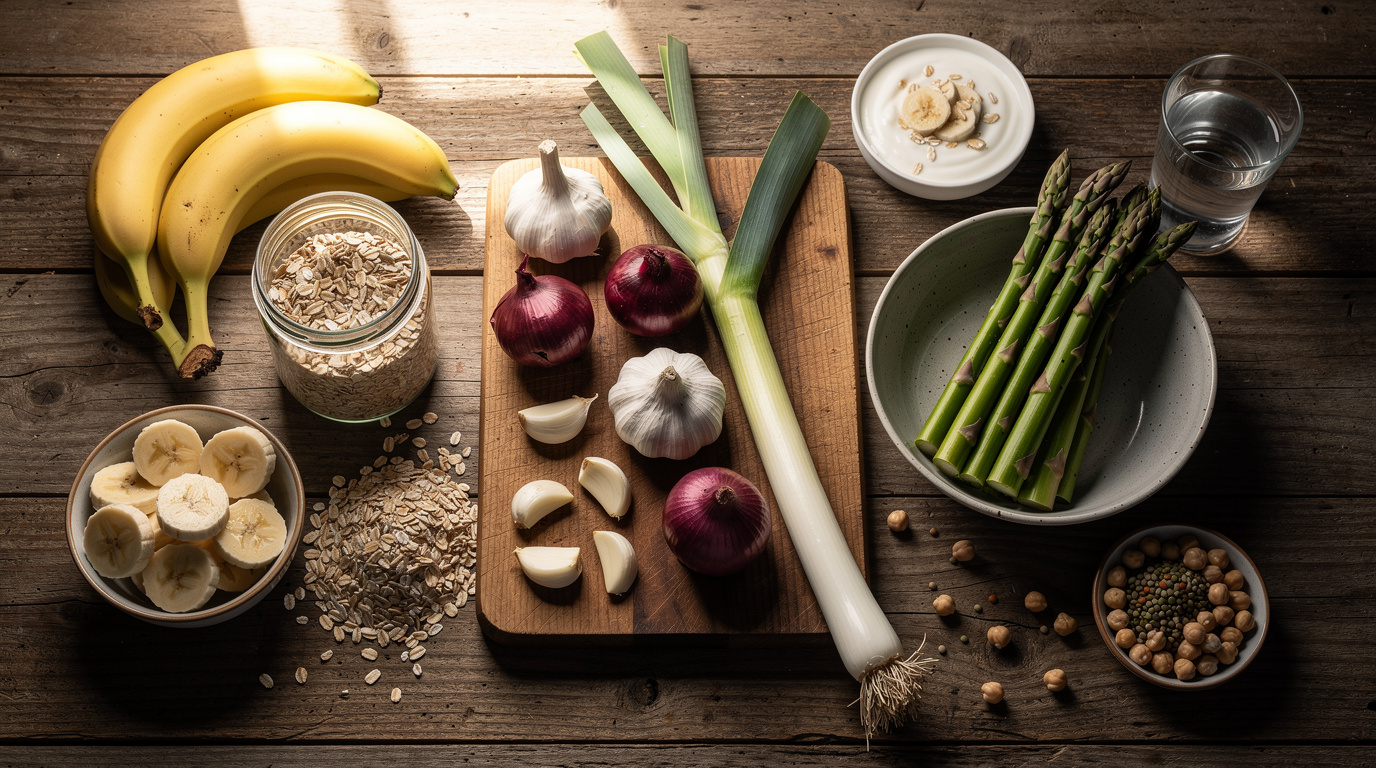
The gut-brain axis connects digestive health with mood regulation by creating a link through microbial signals.
Harvard studies show that serotonin production in the gut is roughly at around 90%. This gives scientific truth to the saying “the way to a person’s happiness is through their stomach,” as a balanced microbiota diversity leads to a healthy production of serotonin. In our experience, many clients have observed this without explicitly recognizing that their mood is often impacted by their diet.
Diets shape the bacterial balance in the gut, which in turn affects the brain chemistry. If there are any disruptions in the gut, this sends distress signals to the brain, triggering inflammation that contributes to mood disorders.
Diets that are rich in fiber, whole-grain products, and fermented ingredients support prebiotic and probiotic action. Prebiotic foods like onion, garlic, asparagus, and oats create mood-positive metabolites, whereas probiotics like kefir and yogurt protect against gut dysbiosis. We’ve had clients at Cabot show significant mood improvement just by adding prebiotic and probiotic foods to their diets.
Studies at the Democritus University of Thrace show that using probiotics in the treatment of depression is associated with a remission rate of 55%. This is higher compared to the placebo group, which led to an average of 40% remission.
What Foods Promote a Healthy Gut for Mental Health?
Foods such as probiotics, prebiotics, and fiber sources nurture beneficial bacteria and promote serotonin synthesis. Ingredients like yogurt and fermented veggies are easily available in MN markets, and their regular consumption delivers live cultures that support the gut microbiome.
Here’s what each food type offers:
- Probiotics (Kefir): Support a healthy microbiome, which prevents conditions such as gut dysbiosis and leaky gut syndrome. This leads to a more resilient mental state as you consume probiotic beverages like plain yogurt and kefir.
- Prebiotics (Onions): Prebiotics feed the beneficial bacteria supplemented by the probiotics and help them thrive. This allows them to produce more metabolites, which influences brain health, ergo, the mood. During winter, frozen produce works just as well.
- Fiber Sources: Insoluble fiber adds bulk to the stool and lets it move smoothly through the digestive tract, whereas insoluble fiber and resistant starches get into the large intestine mainly undigested. This is where they get fermented by gut bacteria and produce short-chain fatty acids (SCFAs) such as butyrate, which supports gut health.
A healthy gut ecosystem improves resilience against depression and other mood disorders because it keeps everything running properly. Studies at Emory University show that changes in diet are responsible for 57%[1] of the gut microbiome variation, which offers support in numerous health conditions.
A balanced, healthy diet shapes the bacterial balance, with the gut microbes sending their respective signals. The brain receives them and goes on to modulate the neurotransmitters and inflammation.
To put it simply, a tranquil gut leads to a content brain.
[1] Martin, S. E., Colleen Suzanne Kraft, Ziegler, T. R., Millson, E. C., Lavanya Rishishwar, & Martin, G. S. (2023). The Role of Diet on the Gut Microbiome, Mood and Happiness. The Role of Diet on the Gut Microbiome, Mood and Happiness. https://doi.org/10.1101/2023.03.18.23287442
What Dietary Patterns Are Recommended for Depression in MN?
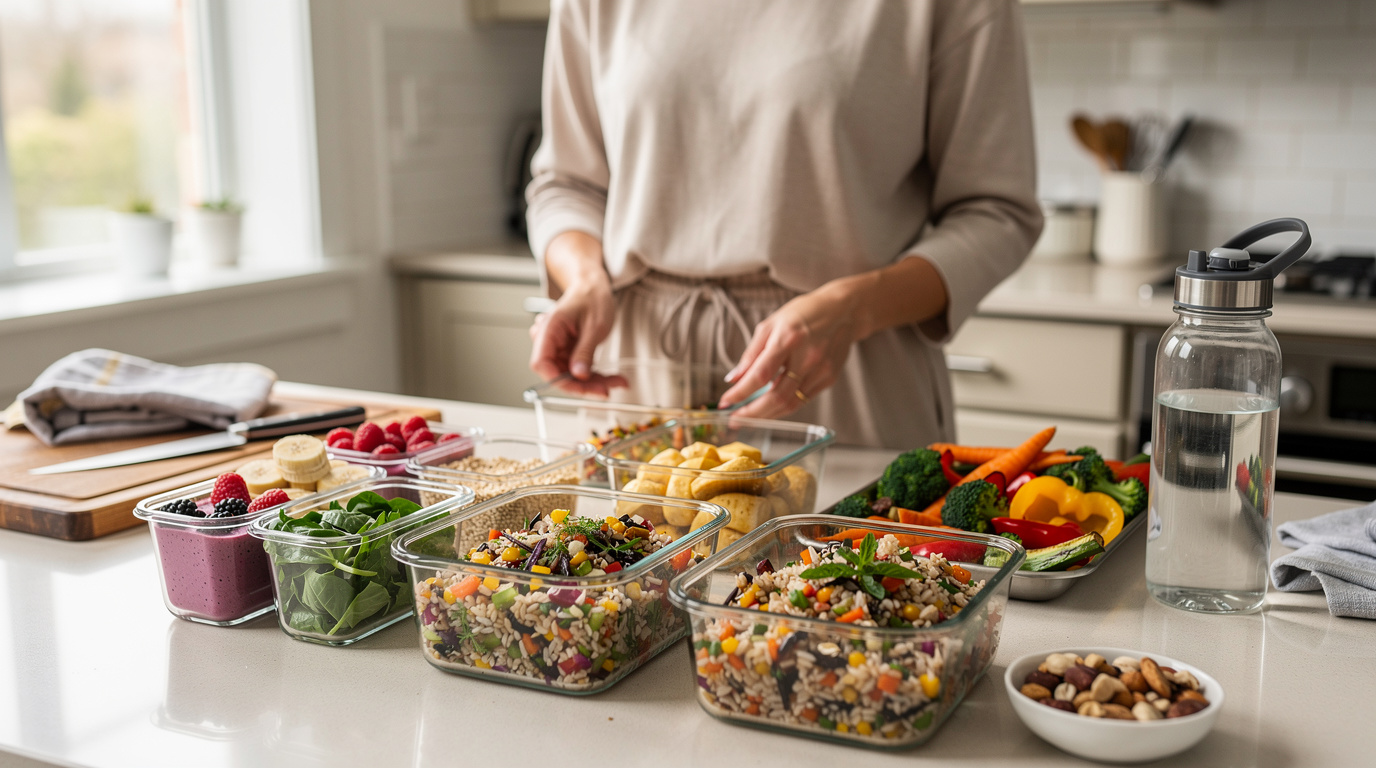
Dietary patterns like the Mediterranean or anti-inflammatory diets adapted to MN cuisine reduce the risk of depressive symptoms. Long-term adherence to these types of diets is recommended for sustained benefits.
Studies led by Felice N. Jacka for BMC Medicine on 166 individuals show that switching to a Mediterranean diet decreases the risk of depression by 30%[1]. Symptoms ease in as little as 12 weeks, but sustained benefits are achieved by adopting the diet in the long term.
The higher the Mediterranean diet score (which is rated from 0 to 14), the more benefits clients achieve for depression. This diet has a whole foods emphasis that focuses on minimally processed ingredients, legumes, veggies, and lean fish. Avoidance of fast and ultra-processed food is recommended when following this type of diet.
MN residents incorporate fresh produce grown on local farms in the summer, along with wild salmon and rice. While the ingredients are not strictly Mediterranean, they fit the anti-inflammatory pattern and decrease the risk and symptoms of depression.
Patients should keep in mind that switching to this diet offers sustained benefits for depression, but it’s not a stand-alone cure. Alternative remedies like herbal support and counseling improve the outcomes and prevent depression symptoms from becoming chronic.
How Can Minnesotans Adopt a Mediterranean-Style Diet?
Minnesotans can adopt a Mediterranean-style diet through meal planning. They should source ingredients seasonally, obtaining whole foods from farms and lakes to alleviate winter blues. Also, meal-planning can help reduce stress. We had one client (maybe more) at Cabot who found that meal-planning helped reduce her depression, AND brought her stress level down after just a couple weeks.
Below are common ingredients that Twin City residents source from local farms:
- Fish: Walleye, bass, and trout from Minnesota lakes offer healthy fats and fit the pattern of the Mediterranean diet. Redditors in Minnesota note that you can easily find smoked lake trout, even in winter, at local markets.
- Olive Oil: Minnesotans don’t locally make olive oil, but they find it at markets to use for cooking or salads. It can be mixed with other healthy oils, like canola, to make the most of it.
- Walnuts: Walnuts make great snacks and are rich in omega-3s. You can also add them to your breakfast bowl or to a salad.
- Berry Antioxidants: Blueberries, raspberries, and strawberries are rich in antioxidants and fight inflammation. You can consume them fresh in summer or freeze them for winter consumption.
- Dairy and Meat: Local farms supply dairy and meat with higher nutrient content than supermarkets. Studies at Newcastle University show that organic products of this type have roughly 50-70%[2] more omega-3s and fatty acids.
- Vegetables: Onions, leafy greens, squash, and tomatoes purchased during the growing season are healthier and tastier alternatives to supermarket produce.
Try to build relationships with local farms. This should make it easier to source fresh foods that are affordable.
[1] Jacka, F.N., O’Neil, A., Opie, R. et al. A randomised controlled trial of dietary improvement for adults with major depression (the ‘SMILES’ trial). BMC Med 15, 23 (2017). https://doi.org/10.1186/s12916-017-0791-y
[2] Średnicka-Tober, D., Barański, M., Seal, C. J., Sanderson, R., Benbrook, C., Steinshamn, H., Gromadzka-Ostrowska, J., Rembiałkowska, E., Skwarło-Sońta, K., Eyre, M., Cozzi, G., Larsen, M. K., Jordon, T., Niggli, U., Sakowski, T., Calder, P. C., Burdge, G. C., Sotiraki, S., Stefanakis, A., & Stergiadis, S. (2016). Higher PUFA andn-3 PUFA, conjugated linoleic acid,α-tocopherol and iron, but lower iodine and selenium concentrations in organic milk: a systematic literature review and meta- and redundancy analyses. British Journal of Nutrition, 115(6), 1043–1060. https://doi.org/10.1017/s0007114516000349
What Practical Tips Help Improve Diet for Depression Management?
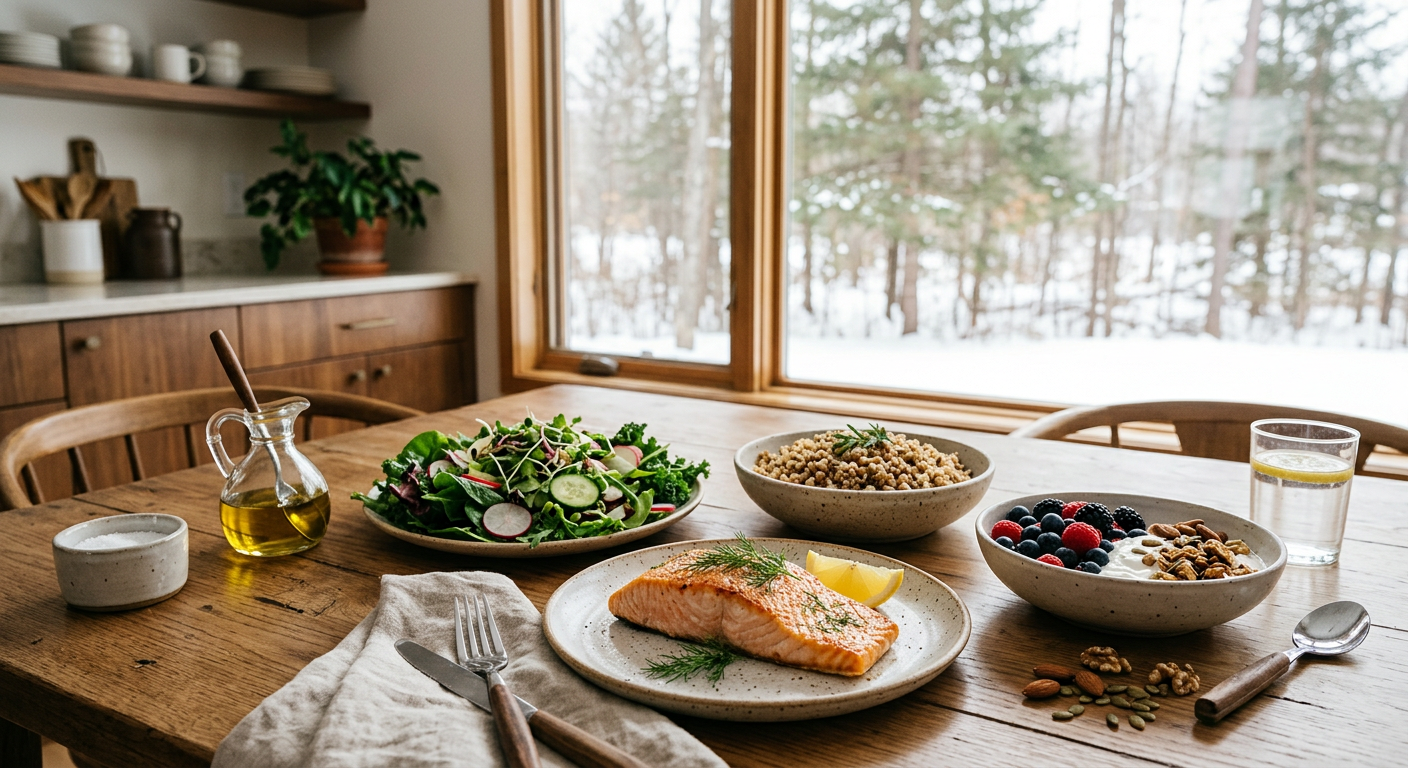
Tips such as meal prepping, good hydration, and nutrient tracking facilitate changes when integrated with therapy. Below are some strategies that help with the consistency of your depression management:
- Meal Prepping
Meal prepping reduces the chances of skipping meals or reaching for processed foods when you feel hungry. Consider preparing balanced breakfasts, lunches, dinners, and snacks in advance using local produce. Stack them in casseroles and take them out when you are ready to eat.
- Nutrient-Tracking Apps
Nutrient-tracking apps support good diet management because they help you track your minerals, vitamins, and macronutrients. Logging your meals also supports mindfulness around your dietary choices and ensures you meet your dietary goals. A good app highlights deficiencies that influence your mood, such as omega-3 fatty acids. We’d recommend that you exercise caution with meal apps that emphasize calorie-counting. We want to focus on macro-nutrients, not counting cashews or Jolly Ranchers.
- Hydration
Drinking sufficient water supports brain function and influences neurotransmitter balance. Water also contains minerals that influence your energy levels and regulate your stress response. Always keep a water bottle around and set reminders to regularly drink water throughout the day.
How to Incorporate Nutrient-Rich Meals in Daily Routines
Incorporating healthy meal routines boosts the intake of nutrients because you are less likely to crave unhealthy snacks afterward. The meals satisfy the cravings, so you won’t reach out for ultra-processed foods. The routines also build habits, as your body becomes adjusted to the new system.
Below are some ideas to incorporate MN ingredients into every meal of the day:
- Breakfast
Smoothie recipes are a common option for breakfast because they’re nutrient-rich while being quickly consumed. Take a blender and add yogurt or kefir, some berries, a banana, cooked wild rice or oats, and some milk. You can choose frozen ingredients over fresh produce during winter.
- Lunch
Lunch is the best time for salad ideas because they’re light, nutrient-rich, and keep your energy levels high. Mix some wild rice, dried berries, chopped nuts, diced onions, and a handful of greens (e.g., kale or spinach). For the dressing, use olive oil and a bit of lemon juice to give it that sour salad taste.
- Dinner
Roasted local squash with wild rice and seasonal vegetables is a nutritious idea that offers all the nutrients you need in summer. Mix roasted squash with cooked beans and greens. Add the ingredients to a bowl with cooked wild rice and season it with garlic, salt, and onion powder. If you’re a meat-eater, add some salmon, bison, or chicken.
Note: If you’re hungry between meals, some healthy snack options include nuts and veggie mixes or veggie plates with seasonal raw produce.
Where Can Minnesotans Get Nutritional Guidance for Depression?
Adults in the Twin Cities can get personalized plans by consulting dietitians and clinicians at Cabot. Minnesotans can consult experts in nutritional psychiatry and local co-ops, or various workshops.
Professional guidance complements treatment for depression and reduces symptoms in the long run. There are plenty of apps for tracking your diet that signal deficiencies, allowing you to intervene when you notice mood dips.

Comprehensive mental health treatment from home
90% of clients and their families would recommend Cabot Psychological Services


