

What Is Treatment-Resistant Depression and What Advanced Options Are Available in the Twin Cities?
- Reading Time: 10 minutes
Treatment-resistant depression is a type of condition that resists standard treatment. The TRD criteria are outlined as the lack of proper response after trying at least two types of treatment, given at adequate doses for around 6-8 weeks. Understanding TRD aids the treatment of depression, as specialists can offer alternative treatments for recovery success.
Joint studies at the Brain and Cognition Discovery Foundation in Toronto suggest that TRD affects at least 30% of clients previously diagnosed with depression. Many of these clients are pseudo-resistant, as the mind and body do not adhere to standard treatment. Specialized therapy and medication are used to improve the therapeutic outcome.
Common options include neuromodulation in addition to traditional antidepressants, which work with different pathways in the brain. The Twin Cities offer specialized centers that offer therapies to address persistent depression. This includes transcranial magnetic stimulation (TMS), ketamine infusions, and electroconvulsive therapy (ECT). Clients at Cabot have been aided by all three of these treatments. Our experience has shown that people with TRD struggle with hopelessness, which can be turned around by successful alternative treatments.
Clients with TRD no longer have to endure chronic symptoms caused by depression. Providers at Cabot Psychological Services offer referrals to clinics with specialized medication choices for TRD, improving treatment potential. Clients should schedule an appointment for the initial steps and determine which therapy path, or combination, works best for their needs.
- Amanda Mulfinger, PhD, LP
- Updated: December 3, 2025
Table of Contents
ToggleHow Is Treatment-Resistant Depression Diagnosed in MN?

Treatment-resistant depression (TRD) is diagnosed after no response to traditional treatment. Most clients work through at least two types of traditional treatments, their “failure” contributing to the TRD diagnosis.
Local Minnesota therapists conduct careful assessments to determine if it’s truly treatment resistance or a missed treatment opportunity for a reversible cause. Steps for diagnosis and treatment include the following:
- Treatment History Review: The adequate trial definition involves undergoing 4-6 weeks of treatment for each antidepressant, psychotherapy, and/or alternative augmentation strategy. Once initial courses have been confirmed, clinicians move on to the following diagnosis steps.
- Comorbidity Checks: Providers check for medical conditions such as sleep apnea, thyroid disease, or other psychiatric conditions. These can worsen symptoms or mimic nonresponse, which contributes to the diagnosis.
- Use of Staging Models (e.g., Thase-Rush): Staging tools quantify how many treatments the client went through with little or no success. The results guide the next-step recommendations.
Resistance evaluates adherence, so clinicians look at matters such as correct dosing and adequate therapeutic trials. Poor dosing or adherence (e.g., skipping their meds) can appear as TRD. In our experience, identifying this distinction can make the difference in a successful referral. Minnesota providers follow guidelines for standard and specialized care based on the diagnostic results.
What Factors Contribute to Treatment Resistance?
Factors such as misdiagnosis, non-adherence, and biological factors can complicate recovery and contribute to treatment resistance. Some mental conditions accompany depression, worsening the symptoms or rendering the trial ineffective. For example, some individuals with apparent TRD may have undiagnosed ADHD or other neurodivergence, making it difficult to remember meds or engage in helpful assignments.
Resistance necessitates reevaluation to determine if something else is the cause for the treatment not working.
Below are the most common contributing factors:
- Comorbid Anxiety
Studies at Tokyo Medical University show that an average of 58% of individuals with depression have a comorbid anxiety disorder. The overlapping condition reduces the response to standard antidepressants, contributing to persistence. This happens because standard therapy only addresses one condition (depression), leaving the other (anxiety) unaddressed.
- Medication Non-Compliance
The way clients follow the treatment can also contribute to treatment resistance. Studies at Mental Health Center Alcobendas reveal that 92% of physicians specifically advise their clients to follow the treatment for at least 6 months, but only 34% recall being told this.
This leads to many clients discontinuing the therapy without the professional’s advice. Issues such as incorrect dosage limit treatment response, falsely presenting as resistance. At Cabot, we work hard to recognize these situations that only look like resistance, but are more easily solvable.
- Metabolic Issues
Health problems such as thyroid dysfunction, vitamin deficiencies, insulin resistance, and inflammatory issues potentially alter the brain function. This reduces antidepressant efficacy and contributes to resistance, as the body cannot process the treatment correctly.
What Is Transcranial Magnetic Stimulation (TMS) for TRD in Minneapolis?
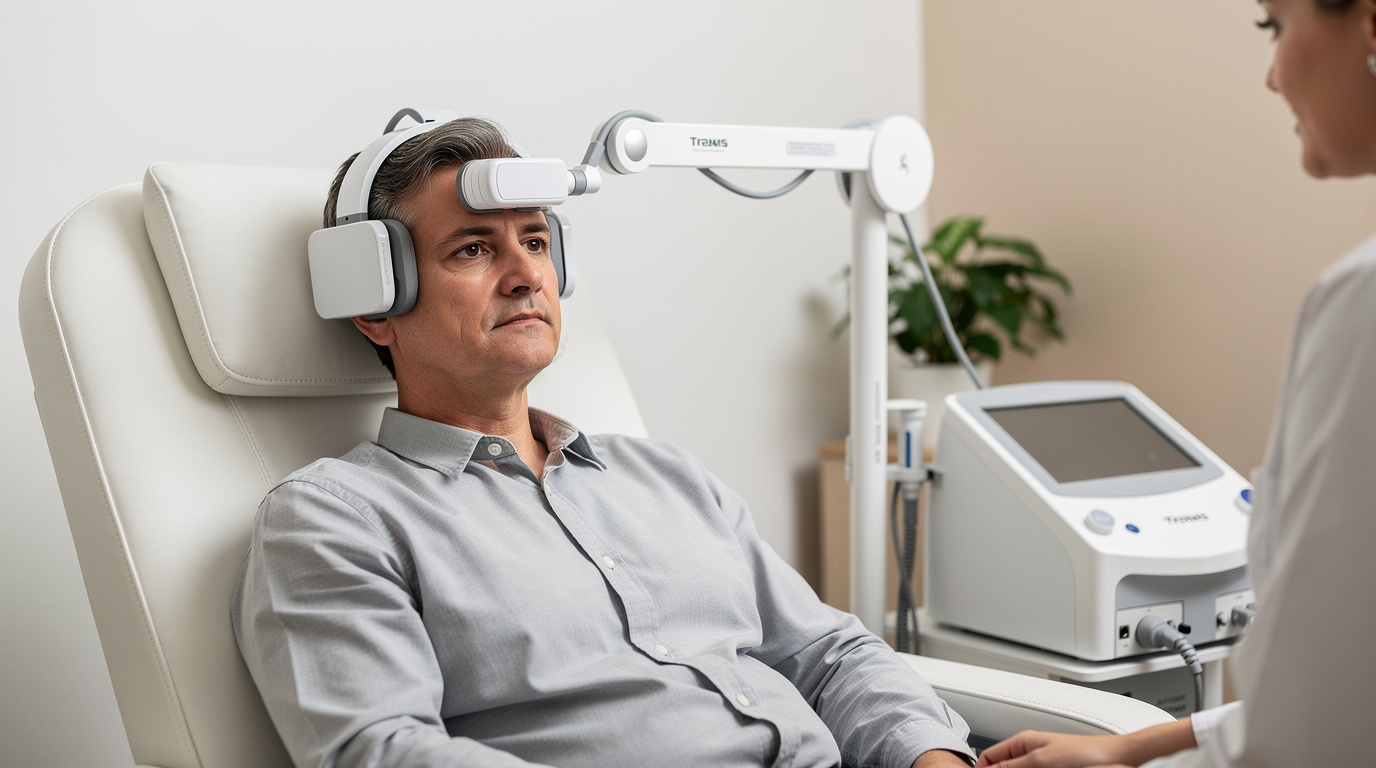
Transcranial magnetic stimulation (TMS) modulates neural activity by sending targeted magnetic pulses into the brain. The procedure is non-invasive, which means that it requires no sedation. TMS treatments for TRD provide alternatives when standard antidepressants and psychotherapy have proven to be ineffective.
The most common treatment is repetitive TMS (rTMS), where the pulses are delivered in repetitive cycles. The procedure relies on the prefrontal cortex targeting, namely the left dorsolateral prefrontal cortex (DLPFC). This is the region responsible for mood regulation.
Treatment follows 4–6-week protocols, with providers placing a magnetic coil on your scalp. The treatment lasts an average of 20-40 minutes per session, depending on the severity of your depression and the duration of the symptoms. One client at Cabot underwent TMS, and found that they were feeling significantly better, for the first time in years, after just three weeks.
Studies at the University of British Columbia Hospital (UBCH) show that remission rates for TRD are between 30% and 40% when rTMS is used. Results are most effective in clients following good protocols, who have effective treatment adherence.
TMS is preferred among those who want a less invasive treatment for persistent depression. Many clients go through Electroconvulsive Therapy (ECT), but not everyone enjoys the same response. Providers at Cabot may suggest having a conversation with your physician about potential ECT, and allow you to weigh in on which option works best for your needs.
How Does TMS Work and What Are the Side Effects?
TMS works by inducing currents in the brain and triggering neuronal excitation. This improves brain signaling and regulates the mood, reducing the symptoms of depression in the long term.
Here’s how the session works:
- Magnetic Coil Application: Clients are seated on a chair, where a coil is placed over the targeted area. Clients are given ear protection, and experts proceed to tap the scalp with the coil.
- Neural Excitation: Rapid magnetic field pulses penetrate the skull and enter the brain, triggering nerve cell excitability. This improves brain signals and increases the production of serotonin, dopamine, and norepinephrine.
- Ongoing Maintenance: Providers may recommend maintenance treatments to prevent a relapse. Frequency is adjusted based on the client’s needs, but can be weekly, every two weeks, or monthly.
This procedure is a preferred alternative because TMC avoids systemic issues often seen with antidepressants. Side effects are mild and well-tolerated, but can include headaches, scalp discomfort, lightheadedness, and facial muscle twitching. In our experience, the clients who experience side effects have generally reported them to be mild and passing.
Where Can Twin Cities Residents Access TMS?
Residents in the Twin Cities can access TMS treatments at local TMS centers that specialize in neuromodulation. Clients can schedule sessions over 4-6 weeks, which is most common in local MN protocols.
Common locations to access TMS include the following:
- Minneapolis TMS Clinic
- Hennepin Healthcare
- PrairieCare Edina
Access through referrals from a mental health provider is common. Clients are recommended to go through their primary care physicians first, as this condition usually requires coordination with insurance. At Cabot, we can help make these referrals as seamless as possible.
Most clinics are equipped with outclient settings, as the procedure does not require surgery or anesthesia. Clients can drive themselves home immediately after the treatment.
How Does Ketamine Therapy Treat TRD in Minneapolis and Edina?

Ketamine therapy treats TRD in Minneapolis and Edina by dissociating the glutamate pathways, improving synaptic plasticity. Ketamine protocols alter brain chemistry via NMDA receptor antagonism, modulating brain signals and acting as mood regulators.
This offers quick relief in severe cases where conventional treatment fails, as it mainly affects the monoamines (serotonin and norepinephrine).
The most common treatment used to address depression is Esketamine (Spravato). This is an intranasal spray approved by the FDA for TRD, which is frequently integrated into existing care. Low-dose ketamine infusions through IV are also common and preferred for rapid onset (i.e. hours).
The first administration is occasionally followed by “booster shots,” depending on the severity of your condition. Integrating it with psychotherapy and other conventional medicine pathways improves the durability of the results. However, potential interactions and side effects make it essential to have the treatment administered in a medical setting.
Ketamine therapy is available at most local clinics in Minnesota that offer depression treatment. A thorough evaluation at Cabot Psychological Services will determine if the mental condition is resistant to standard care and whether ketamine therapy might be a worthwhile recommendation.
What Are the Protocols and Risks for Ketamine?
Ketamine protocols involve monitored sessions to ensure safety in clients with TRD. The therapy risks require supervision, as ketamine provides bridge therapy for non-responsive clients.
Common protocols include the following:
- Evaluation of medical history
- IV or intranasal administration at low dosage, under medical supervision
- Initial treatment sessions (e.g., up to 6 treatments every other day)
- Maintenance sessions (administration every 2-4 weeks)
Careful adherence to treatment protocol is important to reduce dissociation side effects, which are common with ketamine therapy. An average of 12-21%[1] of clients note dissociative experiences after antidepressant treatment, according to studies by Elizabeth D. Ballard. Results vary depending on treatment adjuncts and dosage.
This treatment has abuse potential and requires controlled delivery. Reddit TRD experiences note that many clinics combine ketamine with psychotherapy to improve and sustain the effects in the long run. In our experience, clients who pair these two do better than those who undergo ketamine treatment alone.
[1] Ballard, E. D., & Zarate, C. A. (2020). The role of dissociation in ketamine’s antidepressant effects. Nature Communications, 11(1). https://doi.org/10.1038/s41467-020-20190-4
What Role Does ECT Play in Managing TRD in the Twin Cities?
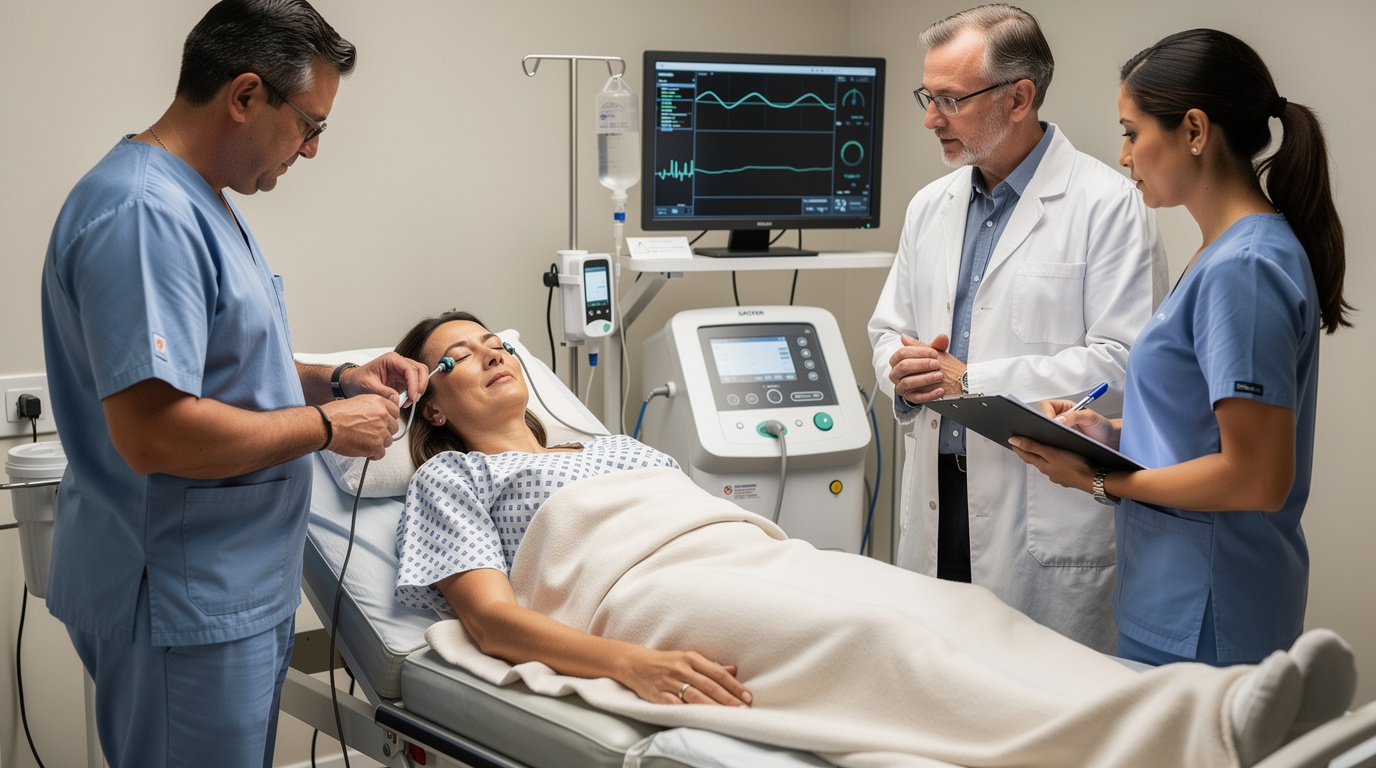
Electroconvulsive therapy (ECT) induces controlled seizures in the treatment of depression. Its purpose is to reset and normalize the neural circuits responsible for mood regulation. The procedure is performed under general anesthesia, which makes it a safer alternative to the early versions.
The seizures triggered by this treatment are brief, lasting only a couple of seconds. However, it is recommended for those who need rapid and definite improvement from TRD. Providers usually recommend it for clients who experience psychosis, severe functional impairment, or suicidal ideation.
Studies at the Erasmus Medical Centre in Rotterdam reveal that ECT has an up to 70-90%[1] response rate, which is higher than other conventional therapies. Two ECT treatment sessions often show significant improvement in clients with MDD and TRD, but long-term treatment is recommended for severe depression.
ECT is used for the management of depression in inpatient and outpatient settings. Many hospitals that provide ECT offer the opportunity to undergo treatment sessions and recovery onsite, being allowed to return after being monitored for side effects.
The treatment is frequently used for bipolar therapy, especially when it’s comorbid with depression. The procedure plays a role in rapid remission, making it preferred to other mood stabilizing therapies and conventional antidepressants. Many providers use it alongside psychotherapy to improve the long-term effects. One client at Cabot, who had struggled with Bipolar Disorder for many years, found that ECT was the first treatment with any long-term, lasting improvement, and found that outpatient therapy was far more effective after undergoing ECT.
How Is ECT Administered and What Are Recovery Expectations?
ECT is administered under anesthesia, and recovery involves monitoring of the symptoms. Expectations include cognitive adjustments after the treatment, but many find that the benefits outweigh the temporary memory effects.
Below is how the ECT treatment is administered in clients with severe depression:
- Treatment Planning: Most clients receive a full course of 6-12 sessions, depending on the severity. Treatment is delivered 2-3 times a week, although administration depends on the client’s needs.
- Anesthetic: Clients are given anesthetics and a muscle relaxant to prevent physical convulsions. “Bite blocks” are inserted in the mouth to protect the tongue and teeth during the induced seizure.
- Electrode Placement: The provider chooses a bilateral/unilateral placement for the electrodes. Bilateral is more common and fast-acting, but unilateral minimizes the memory-affecting side effects.
- Vital Sign Monitoring: Providers keep an eye on vitals like heart rate and saturation, as well as your EEG. This ensures the procedure goes smoothly.
- Recovery: Clients wake up from the anesthesia and are kept in the recovery area. Many feel confused and disoriented for a short time, which is why they are kept around for monitoring.
Clients may experience a series of both physical and cognitive side effects. The most common physical symptoms are muscle soreness, headaches, and jaw discomfort.
Memory loss issues, such as anterograde and retrograde amnesia, are also common side effects of ECT. Studies on 1,144 ECT clients at the University of East London show that 65-81%[2] experienced persistent or permanent memory loss.
[1] Birkenhager, T. K., Roos, J., & Kamperman, A. M. (2019). Improvement after two sessions of electroconvulsive therapy predicts final remission in in‐clients with major depression. Acta Psychiatrica Scandinavica. https://doi.org/10.1111/acps.13054
[2] Read, J., Hancock, S. P., Morrison, L., Johnstone, L., & Cunliffe, S. (2025). A Survey of 1,144 ECT Recipients, Family Members, and Friends: Incidence, Severity, and Duration of Memory Deficits. Ethical Human Psychology and Psychiatry, 27(2), EHPP-2025-0009.R1. https://doi.org/10.1891/EHPP-2025-0009

Comprehensive mental health treatment from home
90% of clients and their families would recommend Cabot Psychological Services


What Emerging Options Are Available for TRD in MN?
Emerging options expand horizons for the treatment of TRD in Minnesota beyond conventional therapy. Emerging therapies promise innovations, addressing the treatment of depression side effects and preventing their recurrence.
Many of these therapies are available through research, but clinical trials show promise for those who qualify. Some of these therapies include the following:
- Psilocybin-Assisted Therapy
Psilocybin-assisted therapy increases brain-derived neurotrophic factor (BDNF) levels, which supports neuron growth and repair. This improves brain network connectivity and reduces pro-inflammatory cytokine levels, decreasing depression symptoms.
- Vagus Nerve Stimulation (VNS)
VNS sends mild electrical stimulation to the vagus nerve, which influences the neurotransmitter system. This improves serotonin and norepinephrine activity while promoting neuroplasticity. The University of Minnesota was awarded $21M for research in VNS, with the study including up to 144 clients.
How Can Twin Cities Residents Access Advanced TRD Treatments?
Residents of Minnesota can access advanced TRD treatments via healthcare networks, which helps them navigate a clear path forward. Residents can ask for specialist referrals to clinics that offer advanced intervention. Specialists like Cabot Psychological Services offer multiple therapy options while coordinating with high-rated clinics and hospitals for these alternative treatments.
Cabot can also help with insurance navigation, as many TRD treatments are covered by Medicare and other insurance. Joining support groups is also useful, as specialized treatments require advocacy. Shared experiences help you find a trustworthy provider.
Contact Cabot Psychological Services if you are ready to undergo long-term remission strategies. The team will decide on the correct advanced treatment to reduce depression symptoms.
