
Cabot

7301 Ohms Lane #450, Edina, MN 55439
Cabot Header Redesign

Play Therapy in Minneapolis

Most parents who call us don’t start with “I think my child needs play therapy.” They start with something like “My kid won’t stop melting down after school” or “She hides under the table every time we have company.” Real behaviors.

Real stress at home. Play therapy helps get to what’s underneath.
What Play Therapy Actually Treats

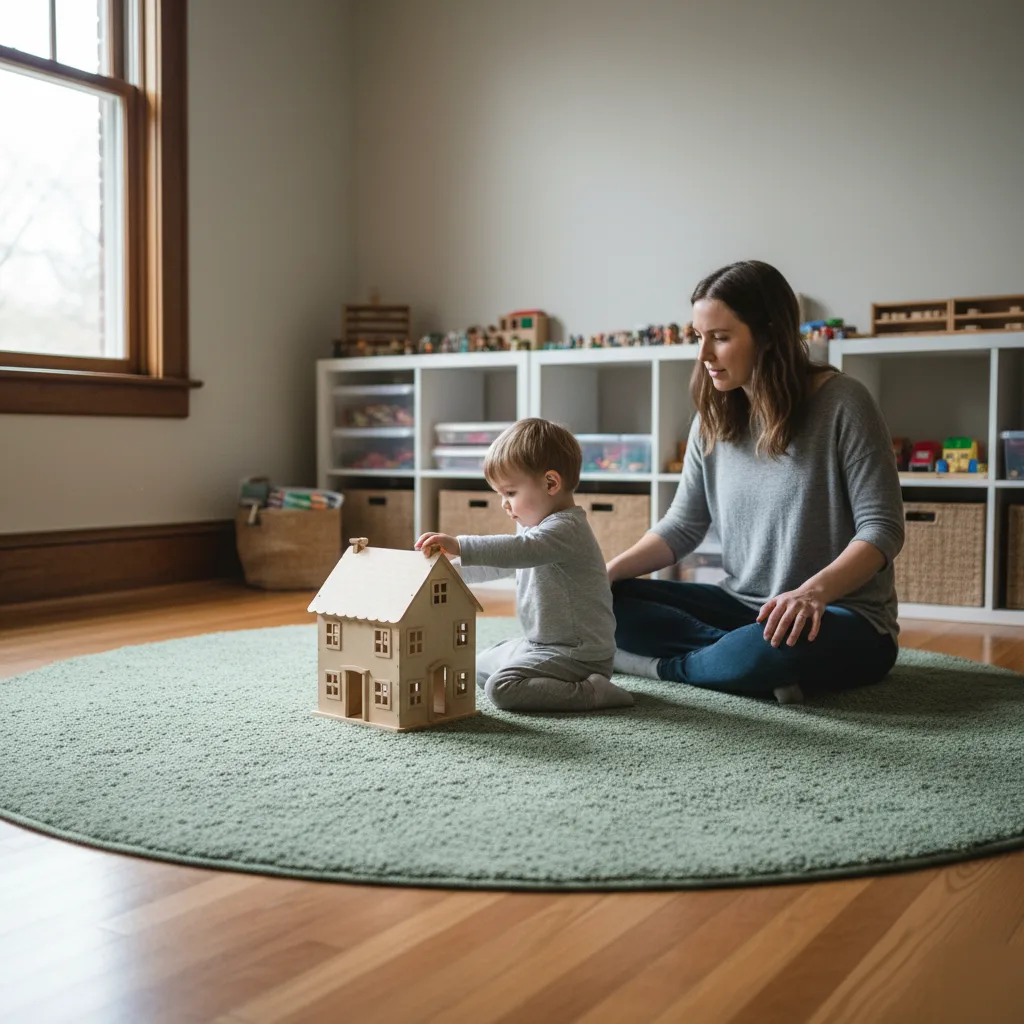
Play therapy works because it meets kids where they are. A five-year-old can’t sit across from a therapist and talk about feeling anxious. But give that same child a sand tray or a set of puppets, and you’ll see the whole story come out. We use play therapy in Minneapolis to help children process things they don’t have words for yet.
Here’s what we see most often in our office
  • Anxiety that shows up as stomachaches, school refusal, or constant clinginess
  • Big emotional reactions tied to family changes like divorce, a new sibling, or a move
  • Behavioral struggles connected to ADHD, where kids feel frustrated and misunderstood
  • Social difficulties in children on the autism spectrum or awaiting a childhood autism testing evaluation
  • Grief after losing a grandparent, pet, or friend
And it goes deeper than that. Kids dealing with OCD sometimes act out rituals they can’t explain. Play therapy gives our therapists a window into those patterns and helps us figure out what’s driving the behavior before we ever put a label on it.
We also work with families in blended households or co-parenting situations. Those situations create confusion for little ones. Play therapy gives them a place to sort through loyalty conflicts, anger, and sadness without anyone telling them how to feel.
One thing I want to be honest about: play therapy isn’t a magic fix in one session. But after a few weeks, parents consistently tell us their child is sleeping better, fighting less, or finally talking about what’s bothering them. That shift is real.
So if your child’s behavior has changed and you’re not sure why, this might be exactly the right fit.

How a Play Therapy Session Works at Our Loring Park Office

Most parents tell us the same thing before the first visit. “My kid won’t sit and talk to a stranger.” Good. We don’t expect them to. child therapy and behavioral concerns child therapy and behavioral concerns

Play therapy looks different from what you’d picture in a typical therapy room. Our space near Loring Park is set up with toys, art supplies, sand trays, puppets, and games. Not random stuff. Every item in that room serves a purpose, it gives your child a way to show us what they can’t say out loud. Kids process the world through play. So that’s where we meet them.
So what does ERP actually look like? It’s not as scary as it sounds. We work with you to face the situations that trigger your obsessions, but in a controlled way. Then we help you resist the compulsion that usually follows. Over time, your brain learns something new: the anxiety drops on its own without the ritual.

What Happens Step by Step

Here’s how a typical session unfolds:
  • Your child comes in and picks what they want to do. We don’t hand them a worksheet or quiz them. They lead.
  • The therapist watches, joins in, and gently guides the play toward the feelings or patterns we’re working on.
  • Through the toys and stories your child creates, themes come out. Anger. Fear. Confusion about a family change. Big feelings they’ve been carrying.
  • The therapist reflects those themes back in a way your child can understand and start to work through.
  • After the session, we check in with you. We share what we noticed and talk about what’s helping.
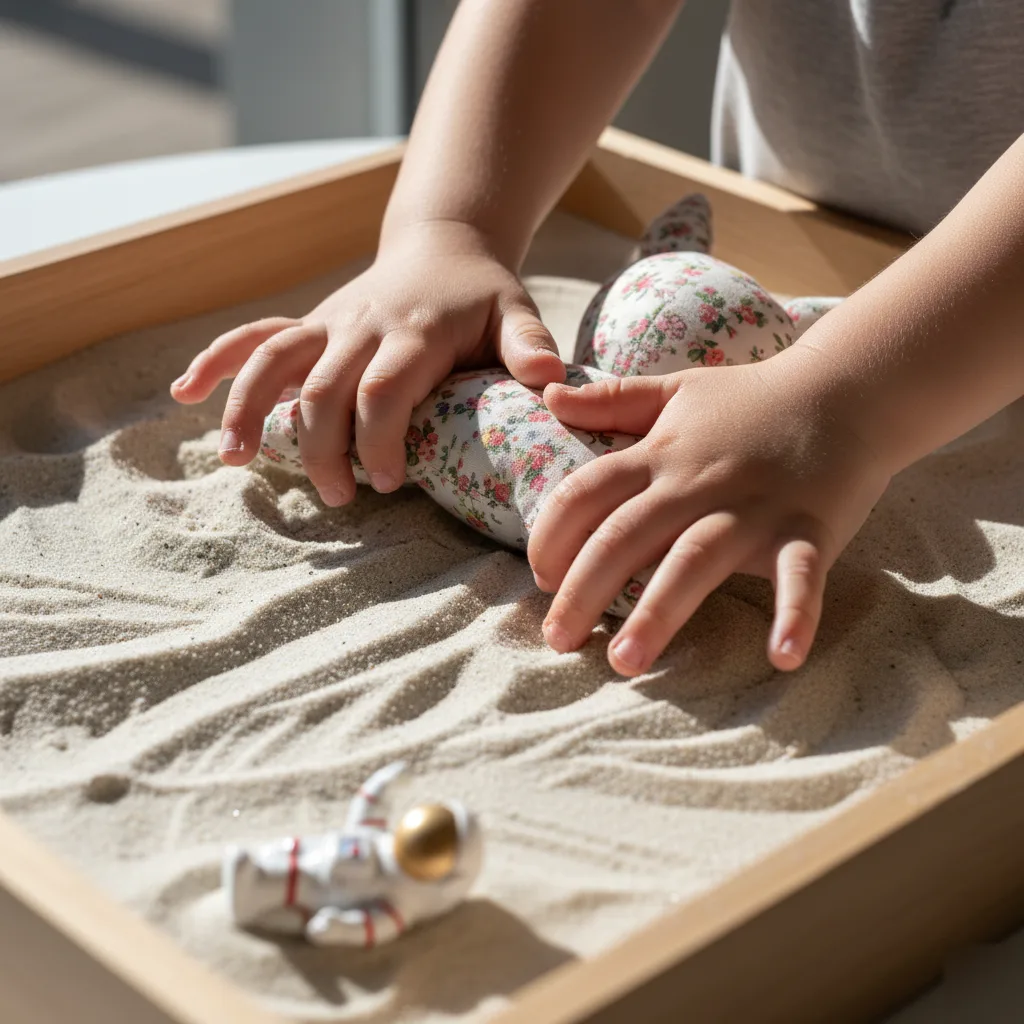
Sessions run about 45 to 50 minutes. A child who barely made eye contact in session one is often laughing, building stories, and opening up by session four. That shift isn’t random. It’s the method working.
Play therapy is especially helpful for kids dealing with ADHD, anxiety, OCD, or big life changes like divorce or a new sibling. According to the Association for Play Therapy, over 70 separate studies support its effectiveness with children ages 3 through 12. We also use it with teens when traditional talk therapy feels like pulling teeth.
Parents sometimes sit in. Sometimes they don’t. It depends on the child and the goal. We’ll figure that out together early on.
Want to know if play therapy fits what your family is going through? Give us a call and we’re happy to walk you through it before you ever book.
Our licensed therapists in Minneapolis work closely with families on everything from child therapy and behavioral concerns to childhood autism testing and ADHD evaluation. Play therapy is one piece of a bigger picture, and we’ll help you see where it fits for your kid.

How Parents Stay Involved Throughout Treatment

You don’t just drop your kid off and hope for the best. That’s not how this works.
Play therapy is a team effort, and parents are a big part of it. We talk with you before sessions, after sessions, and at regular check-in points throughout the process. Your observations at home matter more than you might think. You’re the one who sees how your child acts at bedtime, during homework, or on the ride to school. Those details shape what we do in the playroom.

What Parent Involvement Looks Like

Most families in Minneapolis are surprised by how hands-on the parent piece really is. Here’s what you can expect from us:

  • We start with a parent consultation before your child’s first play therapy session to get the full picture.
  • After every few sessions, we schedule a parent feedback meeting to share what we’re seeing and hear what’s changed at home.
  • We give you simple strategies to try between visits. Not worksheets. Real things you can do at dinner or before bed.
  • If your child also has an ADHD evaluation or childhood autism testing through our practice, we coordinate those findings directly into the play therapy plan.
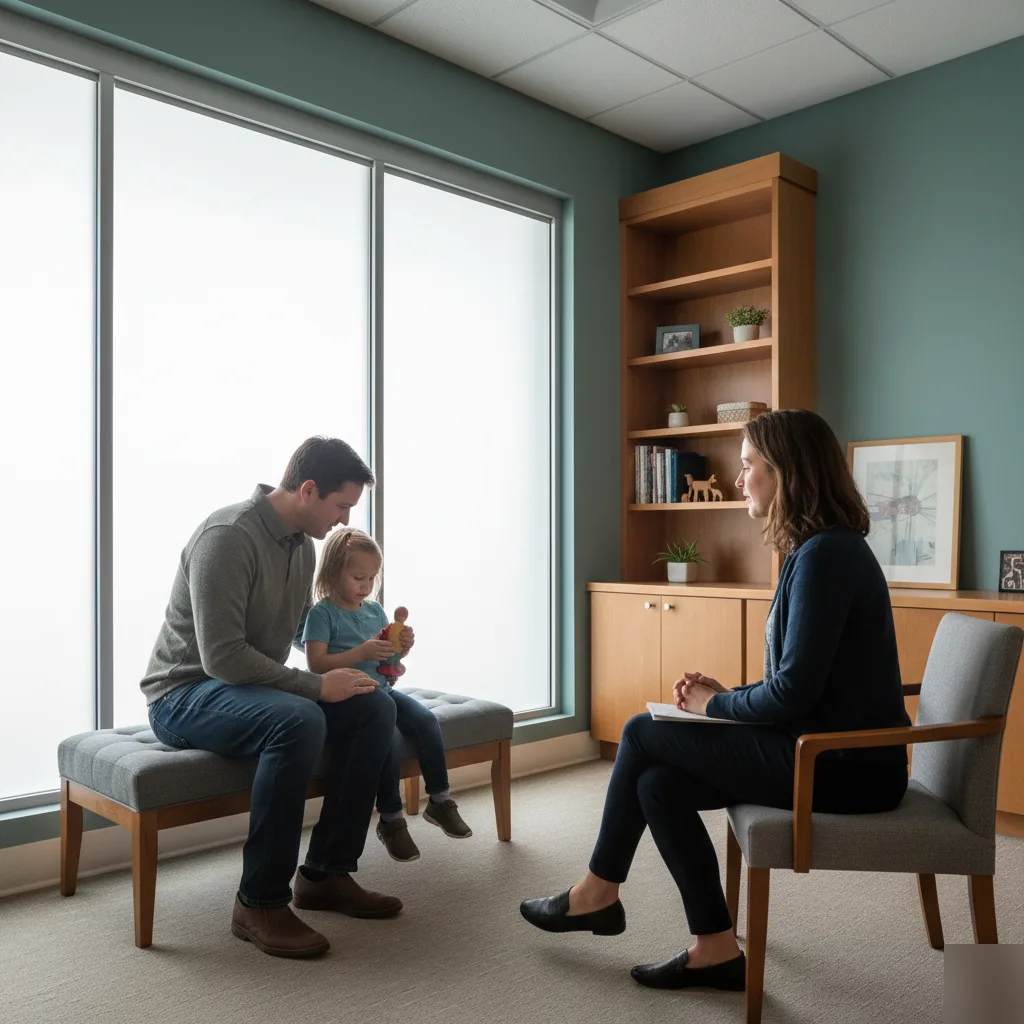
Most parents tell us they feel more connected to their child within the first month. Not because we gave them a script. We just helped them see what their kid is actually communicating through play.
And here’s something families don’t always expect. We sometimes bring parents into the playroom. Not every session. But when it’s the right moment, having you in that space can shift everything. A child who’s been working through big feelings about a family change might need you right there to practice what they’ve learned.
We also stay in close contact if your child is working with other providers. Our licensed therapists regularly handle multi-provider treatment coordination for Minneapolis families whose kids see a psychiatrist for ADHD medication management or are going through an OCD treatment plan elsewhere. Everyone stays on the same page, you shouldn’t have to be the go-between.
Your role isn’t to be a therapist at home. It’s to be the parent. We just help you do that with better tools and a clearer view of what your child needs.

When Play Therapy Connects to Evaluation or Other Services

Sometimes what shows up in the playroom tells us there’s more going on.
A child might struggle with changes between activities in ways that go beyond typical stubbornness. Or they’ll show patterns during play that look a lot like anxiety loops or attention challenges. We see this regularly at our Minneapolis office. Play therapy gives us a front-row seat to how a child’s brain works, and that view can be useful when it’s time to figure out next steps.
Here are some things we watch for that might point toward a deeper look:
  • Rigid, repetitive play patterns that don’t shift over multiple sessions
  • Big emotional reactions that seem out of proportion to what’s happening in the room
  • Trouble reading social cues during interactive play scenarios
  • Difficulty staying with one activity for even a few minutes
When we notice these signs, we’ll talk with you about whether an evaluation makes sense. Our practice offers childhood ADHD evaluation and treatment, childhood autism testing, and learning disability assessment right here in the same clinic. That matters more than you’d think. Your child already knows our space, our team, our building. They don’t have to start over somewhere unfamiliar.
Comprehensive mental health treatment from home

90% of  clients and their families would recommend Cabot Psychological Services

Edit Template

How Play Therapy Supports Bigger Treatment Plans

Play therapy doesn’t have to stand alone. For kids already working through childhood OCD treatment, the playroom becomes a place to practice facing fears at their own pace. A child who freezes during traditional talk-based exposure work will often engage with the same concept through play. And for families juggling multiple appointments, we coordinate across providers so nothing falls through the cracks.
Maybe your child just got an autism spectrum evaluation and you’re wondering what comes next. Play therapy can bridge that gap between diagnosis and daily life. It gives kids concrete ways to practice social skills, manage frustration, and build confidence.
You don’t need a diagnosis to start play therapy. You don’t need to have everything figured out before you call. We’ll help you sort through what your child actually needs. If play therapy is the right fit on its own, great. If it leads somewhere else, we’ll walk that road with you too.

What to Expect from Play Therapy Over Time

Most families notice small shifts before the big ones.
In the first couple of sessions, your child is just getting comfortable. They’re exploring the playroom, testing boundaries, figuring out if this is a safe place. Our therapists don’t push. We let your child lead. That early trust-building matters more than anything else we do. It sets the tone for everything that follows.

By weeks three through five, you’ll likely start hearing things at home. Maybe your child uses a feeling word they’ve never said before. Maybe bedtime gets a little easier. Or maybe the meltdowns don’t disappear but they get shorter. These are real signs that play therapy is working beneath the surface.

A Rough Timeline for Progress

  • Sessions 1-3: Your child builds trust with the therapist and gets familiar with the room’s tools and toys.
  • Sessions 4-8: Themes start showing up in play. Aggression, fear, control. The therapist tracks these patterns closely.
  • Sessions 9-14: Kids begin resolving conflicts through play on their own. You’ll see more emotional language at home.
  • Sessions 15+: We check in with you about what’s changed. Some kids are ready to wrap up. Others need more time, especially if there’s been trauma or a big family change.
We see this pattern play out over and over with Minneapolis families. One parent called us saying nothing seemed different after four sessions. By session ten, her son was sleeping through the night for the first time in a year.

Kids dealing with ADHD or OCD sometimes need a longer runway. That’s normal. And if your child has had a childhood autism testing evaluation or is on the spectrum, we adjust the pace to match how they process the world. No rushing.

We also loop parents in regularly. You won’t be guessing whether things are working. Our licensed therapists share what they’re seeing and give you concrete things to try at home between sessions.
Play therapy isn’t a straight line. Some weeks feel like a leap forward, others feel flat. That’s the process doing what it’s supposed to do. Want to talk about what this could look like for your child? Give us a call.
Insurance Partners Section
We've Got You Covered

Our Insurance Partners

We accept most major insurance plans to make care accessible

BlueCross BlueShield
Aetna
UCare
Medicaid
Cigna
PreferredOne
HealthPartners
United Healthcare
Medicare
Insurance verification — We'll confirm your coverage before your first visit
Testimonials Section
Real Stories, Real Healing

Cabot Clients Say

"Sessions with Amanda are empowering."

Sessions with Amanda are empowering. She is a deeply kind therapist who has helped me to process, heal, and develop as a person.

JW
— JW Verified Client

"Cabot provides a welcoming and safe environment"

Cabot provides a welcoming and safe environment for those who may be struggling or need additional support. Each time I come for an appointment I am welcomed with a smile and hello not only from my therapist but others who pass through the waiting room.

SO
— SO Verified Client

FAQs on Anxiety

Play therapy helps kids work through anxiety, big emotional reactions, grief, behavioral struggles, and social difficulties. You might notice your child having meltdowns, refusing school, or shutting down after a family change. Those behaviors often mean your child is carrying something they can’t put into words yet. Play therapy gives them a way to show us what’s going on through toys, sand trays, and puppets. We see it work regularly with kids dealing with ADHD, OCD, divorce, and autism-related challenges.
Play therapy works best for children ages 3 through 12, though we also use it with teens when talk therapy isn’t clicking. If your child is in Minneapolis and struggling to explain their feelings out loud, age is rarely the barrier. Young kids naturally communicate through play, so this approach fits them well. Older kids sometimes resist traditional therapy but open up completely in a play-based setting. We’ll talk through your child’s age and situation before you ever book a session.
Tell your child they’re going to a place with toys, art supplies, and games where they get to be in charge. You don’t need to explain therapy or use any clinical words. Kids often walk in expecting something stiff and formal, then relax immediately when they see the playroom. Our space near Loring Park is set up to feel safe and low-pressure. The therapist won’t quiz them or make them sit still. They just get to play.
Parents are a big part of how this works, not just a drop-off. We start with a parent consultation before your child’s first session. After every few sessions, we meet with you to share what we’re seeing and hear what’s changed at home. Your observations about bedtime, homework, or car rides give us real information we can use. We also share simple strategies you can try between visits. Most Minneapolis parents tell us they feel more connected to their child within the first month.
Most parents start noticing changes within the first four to six sessions. You might see your child sleeping better, fighting less, or finally talking about what’s been bothering them. Play therapy isn’t a one-session fix, but the progress is steady when kids come consistently. A child who barely made eye contact in session one is often laughing and opening up by session four. We track progress together so you always know where things stand.
Yes, we schedule with your family’s routine in mind. Minneapolis families deal with busy school calendars, after-school activities, and long winters that affect everyone’s schedule. We offer appointment times that work around school hours so your child doesn’t miss class regularly. If something comes up or your schedule shifts, just call us and we’ll find a time that fits. Consistency matters in play therapy, so we work hard to keep your child’s appointments stable.

REACH OUT TO START YOUR HEALING JOURNEY TODAY

Fill out our form or call us directly to learn if Cabot Psychological Services is right for you or a loved one.

WE PROUDLY PARTNER WITH MANY MAJOR INSURANCE PROVIDERS, INCLUDING COMMERCIAL AND MEDICAID

Scroll to Top