

What Is the 5-5-5 Rule in Couples Therapy? (2026 Guide) for Minneapolis Couples
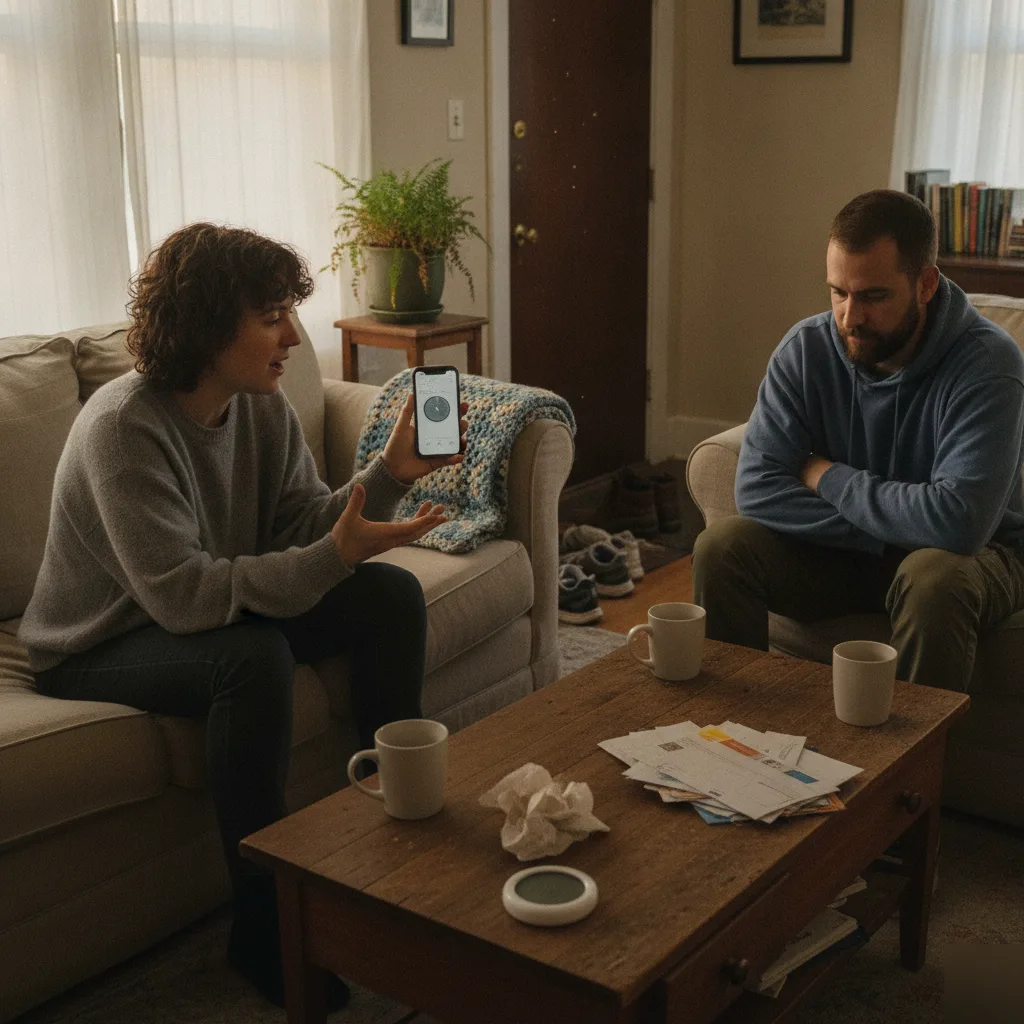
Table of Contents
ToggleWhat the 5-5-5 Rule Means
The 5-5-5 rule is a simple communication tool couples use to slow down a hard conversation. One partner talks for five minutes without interruption, the other listens, then they switch. The last five minutes go toward finding common ground instead of trying to win.
You’ve probably run across this on TikTok or in a Reddit thread about saving a relationship. It’s not a licensed treatment protocol, and no couples therapist sat down and invented it as a formal model. Think of it more as scaffolding, a way to slow a fight down before it turns into the same fight you’ve already had twenty times.
Here’s the basic shape of it, broken into three parts.
- Minutes 1-5: Partner A talks. No interrupting, no defending, no eye rolls. Partner B just listens.
- Minutes 6-10: Partner B talks. Same rules apply. This is the part most couples skip in real life, and it shows.
- Minutes 11-15: Both partners talk together, looking for one small thing they agree on before ending the conversation.
That’s it. Fifteen minutes, three phases, one goal: stop talking over each other long enough to hear something new.
We hear a version of this constantly in session. A couple comes in after a fight about money, or in-laws, or who did the dishes last, and both people are so busy rehearsing their next point that neither one actually heard the first one. Five minutes of forced silence does something a normal conversation can’t. It shuts off the interruption reflex.
Picture a couple in south Minneapolis, both working full time, one kid in daycare, arguing over who forgot to schedule the pediatrician appointment again. Under normal rules, that turns into a scorekeeping match in about ninety seconds. Under the 5-5-5 structure, one partner gets five full minutes to say they feel unseen and overloaded, without the other jumping in to defend themselves. That alone changes the tone of everything that follows.
Where the rule falls short becomes obvious once you actually try it without help. Five minutes of listening isn’t the same as five minutes of understanding, and plenty of couples still walk away more frustrated, not less. That gap is exactly where a couples therapist earns their keep.
How to Try the 5-5-5 Rule Step by Step
The 5-5-5 rule sounds simple until you’re mid-argument and can’t remember the steps. That’s normal. Most couples need a few tries before it feels natural. Here’s the version we walk clients through in session, broken down so you can use it at home.
- Pause before you react. The moment you feel your chest tighten or your voice rise, stop talking. Say something like, “Let’s use the 5-5-5.”
- Partner one talks for five minutes. No interrupting, no fixing, no defending. Just say what’s true for you.
- Partner two listens for five minutes. Your only job is to hear it. Not agree. Not argue back yet.
- Switch roles. Now partner two gets five minutes to speak, and partner one listens without jumping in.
- Spend the last five minutes talking together. This is where you look for one small thing you both can agree on or try next.
Set a timer. This isn’t optional, and I mean that. Without one, five minutes quietly turns into fifteen, and the listening partner starts checking out around minute eight.
Here’s a scene we see a lot in our office near downtown Minneapolis. A couple comes in after a fight about who forgot to pay the daycare invoice. Small thing on paper, big thing underneath. Once they run through the 5-5-5, it turns out the real issue was never the invoice. It was one partner feeling like they were managing the household alone. The timer forced them to slow down long enough to get there.
What do you do if one partner won’t stop talking during their five minutes? You let it go for that round. The structure only works if both people trust it, and trust builds through repeated use, not one perfect session.
A few things that trip couples up early on:
- Using the five minutes to list grievances instead of describing your own feelings
- Jumping in to correct facts while your partner is still talking
- Skipping the final five minutes because the conversation already feels resolved
- Trying this for the first time during a high-stress moment instead of practicing when things are calm
That last one matters more than people expect. Here’s something I tell almost every couple in our first session: practice this when you’re not upset. Run it once over a calm Sunday morning conversation about something low-stakes, like weekend plans. That way the pattern already feels familiar by the time a real conflict shows up.
The 5-5-5 rule works best as one tool inside a bigger process, not as a fix on its own. Couples dealing with repeated conflict, trust issues, or communication breakdowns usually need more structure than a single exercise can provide. That’s where working with a therapist trained in couples work makes a real difference, especially if old patterns keep resurfacing no matter how many times you try to talk it out on your own.
Why the 5-5-5 Rule Works for Some Couples and Stalls for Others
Some couples try the 5-5-5 rule once and it clicks right away. Others try it three times and end up more frustrated than before. The difference usually isn’t the couple. It’s the starting point they’re working from.
Picture a couple in South Minneapolis who argue about chores every Sunday night. Neither one is in crisis. They just talk past each other. For them, the structure of the 5-5-5 rule works almost immediately, because there’s no deep hurt sitting underneath the surface disagreement.
Now picture a couple where one partner had an affair two years ago. The trust is still shaky. Every argument, even small ones, drags that old wound back up. A simple listening exercise can’t hold that kind of weight on its own.
- Basic safety already exists, meaning neither partner fears blowups or shutdowns during hard talks
- Both partners can name their feelings without blaming, even if it takes practice
- The conflict is more about habits or logistics than long-standing hurt
- Neither partner is stonewalling or checked out of the relationship entirely
When those conditions are missing, the exercise tends to stall. We see this constantly in practice. A couple sits down to try it, and within the first minute, one partner starts defending instead of listening.
- There’s unresolved trauma or betrayal sitting under the current conflict
- One partner shuts down or leaves the room when things get tense
- Old resentment turns every small issue into a bigger fight
- One person consistently talks more, listens less, or controls the conversation
If that sounds like your relationship, you’re not failing at communication. You just need more support than a home exercise can offer.
This is where a trained couples therapist earns their place. A therapist can slow the conversation down in real time, notice patterns you can’t see from inside the argument, and adjust the structure so it fits your relationship instead of the other way around.
Frequently Asked Questions
How do I know if the 5-5-5 rule is helping my relationship?
You’ll know it’s helping if both partners feel heard by the end of the fifteen minutes, even if you haven’t solved the problem. The goal isn’t agreement, it’s understanding. If you still feel dismissed or unheard after trying it a few times, that’s a sign the exercise alone isn’t enough. Many Minneapolis couples find this out after a few tries at home. That gap is often where working with a couples therapist helps you dig into what’s really going on underneath the argument.
Is the 5-5-5 rule a replacement for couples therapy?
No, the 5-5-5 rule is not a replacement for couples therapy. It’s a simple tool for slowing down one conversation, not a way to fix deeper issues like trust problems or repeated conflict patterns. Couples with an affair, ongoing resentment, or communication breakdowns usually need more structure than a fifteen-minute exercise can offer. If you keep hitting the same wall, learning more about couples therapy can show you what a longer-term process looks like.
Why do busy Minneapolis schedules make the 5-5-5 rule harder to stick with?
Busy schedules make it harder because the 5-5-5 rule needs calm, uninterrupted time, and dual-income households often don’t have much of that. Between daycare pickups, commutes, and evening errands, many couples in south Minneapolis only have a few quiet minutes before bed. That’s usually the worst time to try a new communication tool for the first time. Practicing on a calm weekend morning works better than trying it cold during a rushed weeknight fight.
When should a couple stop trying exercises like this on their own and see a therapist?
You should consider seeing a therapist when the same argument keeps coming back no matter how many times you talk it through. If the 5-5-5 rule leaves you more frustrated instead of less, or if trust issues sit underneath every fight, a self-guided exercise won’t be enough. A licensed couples therapist in Minneapolis can help you find the pattern driving the conflict, not just manage one conversation at a time.
Does the 5-5-5 rule work for every kind of conflict?
No, the 5-5-5 rule works best for everyday disagreements, like chores or scheduling, not for deep wounds like betrayal or long-standing resentment. It gives structure to a conversation, but it doesn’t have the tools to address trauma or trust that’s been broken. For lighter conflict, it’s a genuinely useful first step. For anything heavier, it usually needs to be paired with guided support from a trained therapist.
Our Insurance Partners
We accept most major insurance plans to make care accessible


Cabot Clients Say
"Sessions with Amanda are empowering."
Sessions with Amanda are empowering. She is a deeply kind therapist who has helped me to process, heal, and develop as a person.
"I have been a client of Cabot since the inception in 2010"
I have been a client of Cabot since the inception in 2010; my experience with the therapists and administrative staff have always been positive. I trust them and have referred both family and friends to Cabot and all have come back thanking me for the referral and have benefited from the caring and compassionate work of the Cabot staff.
"Cabot provides a welcoming and safe environment"
Cabot provides a welcoming and safe environment for those who may be struggling or need additional support. Each time I come for an appointment I am welcomed with a smile and hello not only from my therapist but others who pass through the waiting room.

REACH OUT TO START YOUR HEALING JOURNEY TODAY
Fill out our form or call us directly to learn if Cabot Psychological Services is right for you or a loved one.


WE PROUDLY PARTNER WITH MANY MAJOR INSURANCE PROVIDERS, INCLUDING COMMERCIAL AND MEDICAID