

10 Signs Your Family Needs Therapy in Minneapolis
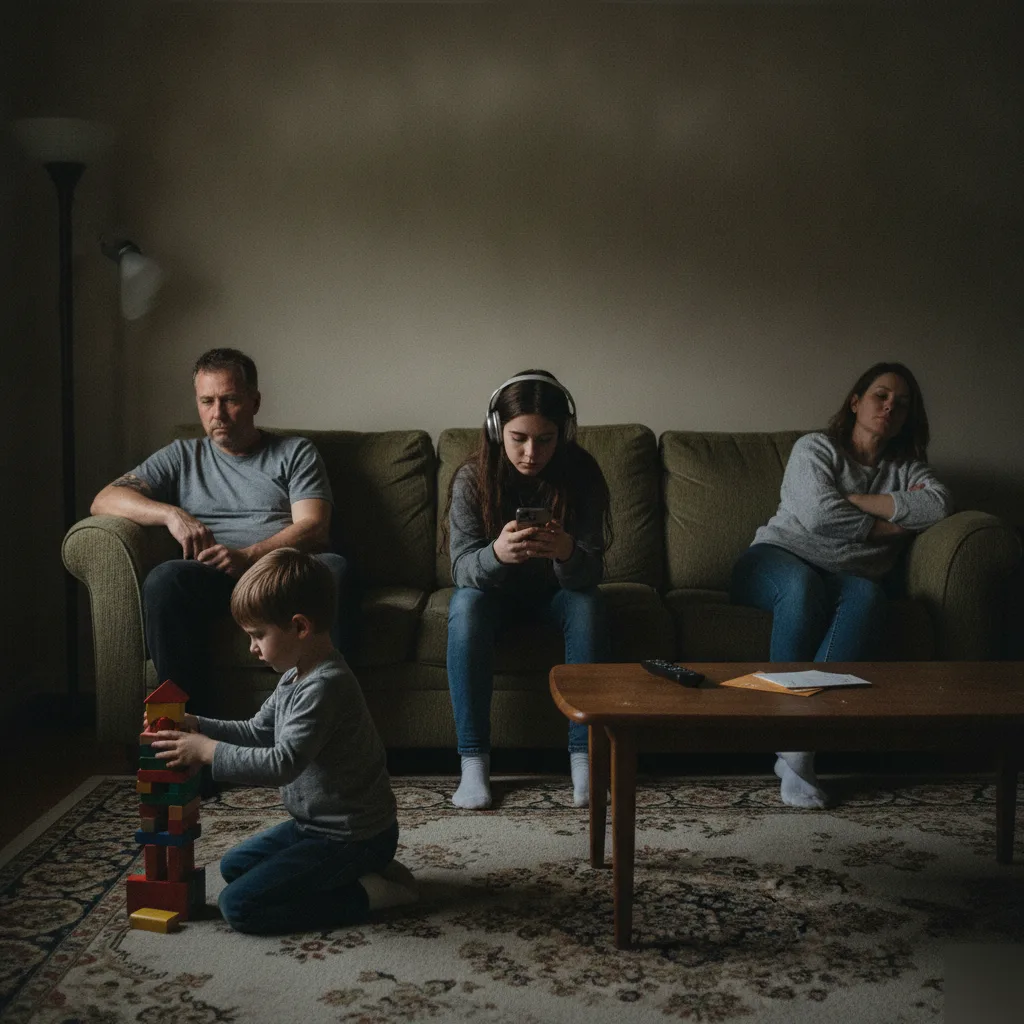
Table of Contents
ToggleThe Quiet Signs Families Often Mistake for Normal
Most families wait years before getting help. The early signs look like normal stress, not something deeper. If your house feels tense, quiet, or stuck in the same fight on repeat, that’s usually the first real sign your family needs therapy. Catch these patterns early, before they turn into habits nobody remembers choosing, and things tend to improve faster.
You know your family isn’t at its best. But you keep telling yourself it’s just a phase, just a busy season, just how teenagers act now. We hear this a lot in Minneapolis, parents who waited two years past the point they first noticed something was off. The signs your family needs therapy rarely show up as one big blowup. They show up quiet, tucked into daily routines, easy to explain away.
Think about the last few weeks in your house. Was dinner tense more nights than not? Did your kid stop telling you about their day? Did you and your partner start talking more like coworkers than people who actually like each other? None of this feels like an emergency in the moment. But it adds up.
- Conversations that used to be easy now feel like walking through a script, careful and guarded
- One person in the family has quietly become the peacekeeper for everyone else’s mood
- Kids or teens have gone unusually quiet, or stopped sharing things they used to bring up on their own
- The same argument keeps happening with no real resolution, just a pause until next time
- Family time feels like an obligation to get through rather than something anyone looks forward to
Here’s what we’ve noticed after years of intake calls: families almost never call because of the quiet stuff. They call after a screaming match, a slammed door, a teacher’s note home. But the quiet stuff was there first, sometimes for a year or more. By the time the loud moment happens, everyone’s worn thin.
So what changes this?
Noticing the pattern before it becomes the norm.
A Minneapolis dad we worked with once described his house as “fine, just quiet.” His teenage son had stopped arguing altogether. Felt like relief at first. It wasn’t relief, it was withdrawal. Family therapy gave that son language for what he’d been sitting on, and gave the dad a way to ask questions that didn’t sound like an interrogation.
You don’t need a crisis to justify getting support.
Ten Signs Your Family May Be Ready for Therapy
Most families don’t wake up and decide, today we need therapy. It builds slowly, one slammed door or silent dinner at a time. In intake calls, we hear the same stories over and over. A parent describes screaming matches over homework. A couple mentions they haven’t had a real conversation in months. A teenager stops talking altogether. None of these moments feel like an emergency on their own. Strung together, though, they’re a pattern worth paying attention to.
- Conflict has become the main way your family communicates, arguments start over small things and spiral fast.
- One person in the household walks on eggshells, adjusting their mood or plans around someone else’s temper.
- A child’s behavior has changed sharply, more withdrawn, more angry, or more anxious than a few months ago.
- Co-parenting feels like a battle, and your kids are caught in the middle of the tension.
- A blended family still feels split into sides, with old loyalties getting in the way of new routines.
- Someone’s OCD or anxiety is shaping the whole household’s schedule, from checking rituals to avoided places.
- An ADHD diagnosis (yours or your child’s) has strained trust, with missed responsibilities read as not caring.
- You and your partner argue about the same three things on repeat, with no resolution in sight.
- A major life change, a move, job loss, new baby, has knocked your family’s balance off entirely.
- Everyone in the house feels worn down by each other, but no one knows how to talk about it.
You don’t need all ten to be true. Even two or three, if they’ve lasted more than a few weeks, are worth a closer look. We’ve had Minneapolis parents come in convinced the problem was their teenager’s attitude, only to realize the whole family system needed new tools, not just one kid needing an adjustment.
That’s usually when family therapy or parent-child conflict resolution work makes the biggest difference. Before patterns calcify into habits nobody remembers choosing.
How to Tell a Rough Patch From a Real Pattern
Every family has bad weeks. A kid melts down over homework, a couple snaps at each other over dishes, someone slams a door. That’s not a red flag, that’s just life with other humans in the house. The question isn’t whether conflict happened. It’s whether the same conflict keeps happening, in the same way, with the same lack of resolution.
A rough patch has an edge to it. It shows up around a specific stressor, a move, a new baby, a rough Minneapolis winter that’s kept everyone cooped up for months, and then it fades once the stressor lifts. A pattern doesn’t fade. It just changes shape. The fight about screen time becomes a fight about chores becomes a fight about nothing at all, but the tension underneath never leaves.
- The same argument resurfaces weekly, even when the original issue gets ‘solved’
- One or more family members starts avoiding the house, staying late at school or work
- Conversations end in silence or shutdown instead of resolution, most of the time
- You’ve started rehearsing what you’ll say before talking to your partner or your kid
- Someone in the family has stopped bringing things up at all, which usually isn’t peace, it’s exhaustion
We hear a version of this from a lot of parents: “It’s not that bad, we just argue more than we used to.” But more than you used to is the pattern talking. So is the fact that you’re reading this at 11 p.m. instead of sleeping.
Here’s a scenario we see often. A couple comes in saying their teenager is ‘just moody.’ A few sessions in, it turns out the teen has been managing undiagnosed anxiety for two years, and the whole family built routines around avoiding triggering it. Nobody meant to do that. It just happened, slowly, the way patterns do.
One more way to check yourself: ask if the conflict is teaching your family anything. Rough patches usually end with someone learning something, an apology, a new boundary, a better routine. Patterns just repeat. If your family has had the same fight a dozen times and nobody’s learned a thing yet, that’s the signal worth paying attention to.
None of this means something is broken beyond repair.
Family therapy exists for exactly this middle ground, situations that aren’t a crisis but also aren’t resolving on their own. Parent-child conflict resolution and blended family counseling both start from the same place: naming the pattern before it hardens into something harder to shift.
Frequently Asked Questions
Isn’t family therapy only for families in a crisis?
No, family therapy works best before a crisis happens, not just after. Many Minneapolis families wait for a big fight or a call from school before reaching out. But the quiet signs, like a kid who stopped talking or parents who argue about the same thing every week, are often the real starting point. Getting help early means you build better habits before old patterns get stuck. You don’t need a breaking point to ask for support.
What’s the difference between a normal rough patch and a pattern that needs therapy?
A rough patch fades once the stress that caused it goes away, but a pattern keeps coming back in new forms. If your family argues more during a move or a tough Minneapolis winter, that’s likely a rough patch. If the same fight shows up weekly no matter what changes, that’s a pattern. Watch for repeat arguments, avoidance of home, or silence where conversation used to be. Those signs point toward something worth addressing with support.
Does Minneapolis’s long winter make family tension worse?
Yes, long stretches of cold weather can make family stress harder to notice and harder to release. When everyone’s stuck inside for months, small arguments repeat more often because there’s less space to cool off. Families in Minneapolis often see tension build from December through March, then assume it’s just winter. If the tension doesn’t ease once the weather turns, that’s a sign it was never really about the season.
What if only one person in my family is willing to try therapy?
One willing family member is enough to start, and change often spreads from there. A parent or teen who begins the work usually shifts how they talk and respond at home, which changes the whole household pattern. You don’t need everyone on board on day one. Many Minneapolis families start with one person and add others once trust builds. If you’re stuck on how to bring up the idea, the parent page on family therapy in Minneapolis walks through simple first steps.
How long does it usually take to notice a change after starting family therapy?
Most families notice small shifts within a few weeks, though real change builds over a few months. Early sessions often focus on naming the pattern, like the same argument or the quiet withdrawal, so everyone sees it clearly. From there, families practice new ways of talking that replace old habits. Progress isn’t always a straight line, but most parents say the house feels less tense within the first month or two.
Can therapy help if my teenager won’t talk about what’s wrong?
Yes, silence from a teenager is often a sign, not a dead end. Many teens stop talking because past conversations felt like interrogations, not because there’s nothing to say. A trained therapist can give them a way to open up that doesn’t feel like being put on the spot. Parents often see their teen start talking again once the setting feels safer and less charged.
Our Insurance Partners
We accept most major insurance plans to make care accessible


Cabot Clients Say
"Sessions with Amanda are empowering."
Sessions with Amanda are empowering. She is a deeply kind therapist who has helped me to process, heal, and develop as a person.
"I have been a client of Cabot since the inception in 2010"
I have been a client of Cabot since the inception in 2010; my experience with the therapists and administrative staff have always been positive. I trust them and have referred both family and friends to Cabot and all have come back thanking me for the referral and have benefited from the caring and compassionate work of the Cabot staff.
"Cabot provides a welcoming and safe environment"
Cabot provides a welcoming and safe environment for those who may be struggling or need additional support. Each time I come for an appointment I am welcomed with a smile and hello not only from my therapist but others who pass through the waiting room.

REACH OUT TO START YOUR HEALING JOURNEY TODAY
Fill out our form or call us directly to learn if Cabot Psychological Services is right for you or a loved one.


WE PROUDLY PARTNER WITH MANY MAJOR INSURANCE PROVIDERS, INCLUDING COMMERCIAL AND MEDICAID