


What Is the Link Between Chronic Pain and Depression, and How Is Integrated Treatment Approached in MN?
- Reading Time: 11 minutes
Chronic pain and depression have a bidirectional relationship because persistent pain contributes to depressive symptoms while depression worsens pain perception. Peer reviews at Poznan University of Medical Sciences show a pain-depression comorbidity, with up to 50% of chronic pain clients experiencing depression. In our experience at Cabot, almost all clients who present with chronic pain have comorbid depression, which gets treated simultaneously.
Chronic pain involves central sensitization, as the nervous system becomes hypersensitive and amplifies the pain signals. This frequently shares neural pathways with the circuits that govern stress, mood, and reward.
The symptoms mutually reinforce one another, which is why many clinics in Minnesota approach this holistically. The link amplifies the suffering on both ends, which is why clinicians have to address both the mind and the body when creating a treatment plan. Treating just one or the other is not enough. Clinicians at Cabot are experienced in treating both.
Multidisciplinary teams are often integrated to treat chronic pain and depression, improving a client’s quality of life. These teams ease pain through physical and medical therapy, addressing the neurochemical imbalance and sleep disturbances that prevent proper recovery. This breaks the cycle of pain and depression. At Cabot, we work with medical professionals outside our clinic to treat our clients in the most effective way possible.
- Amanda Mulfinger, PhD, LP
- Updated: December 2, 2025
Table of Contents
ToggleHow Does Chronic Pain Contribute to Depression Development?
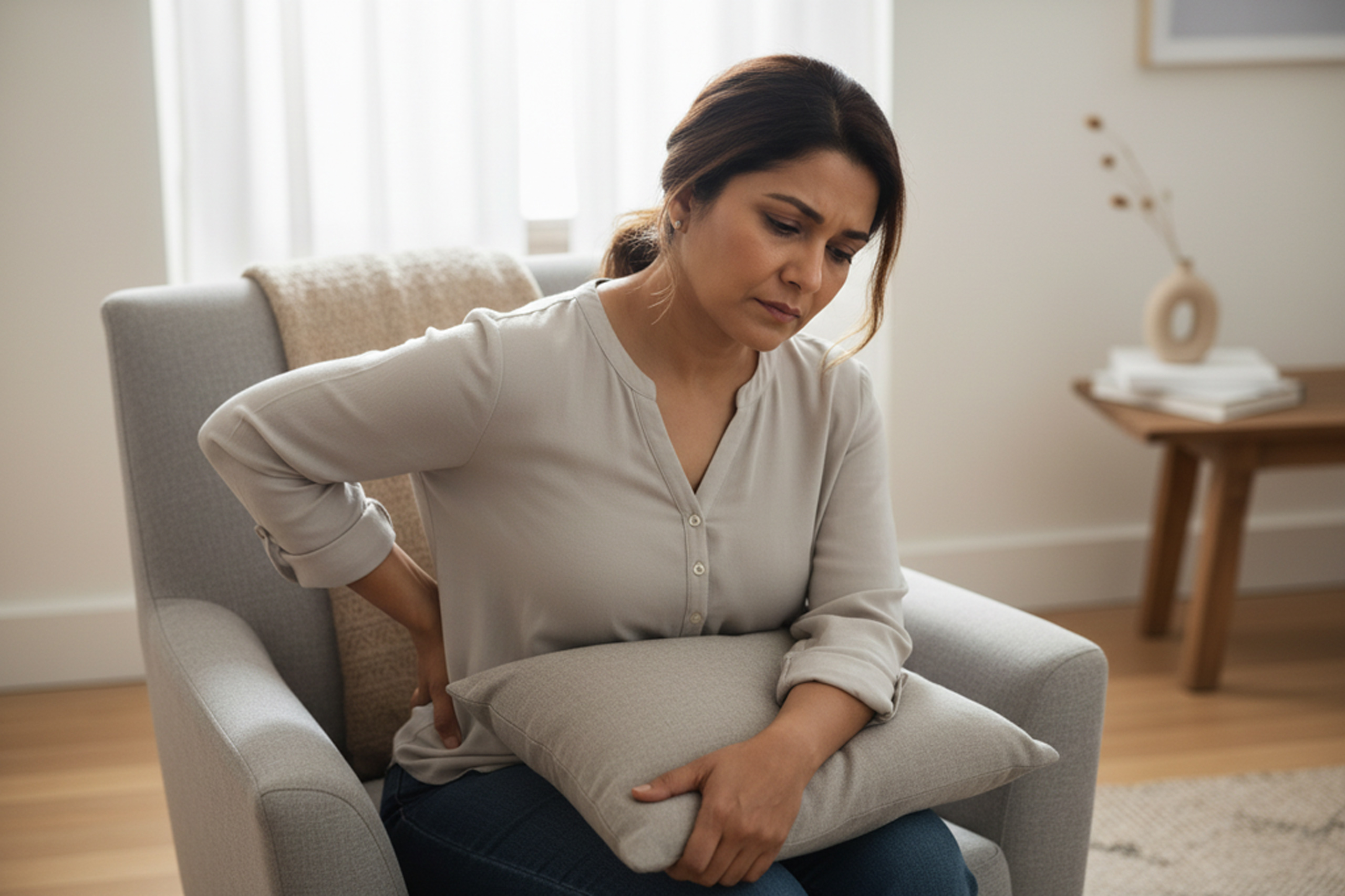
Chronic pain erodes quality of life when it becomes persistent. clients fall victim to functional limitations that keep them from engaging in meaningful daily activities. This leads to a feeling of isolation and hopelessness because they can’t even perform the simplest tasks without experiencing pain.
clients with chronic pain conditions in Minnesota (such as arthritis) experience ongoing inflammation, causing shifts in the nervous system. This phenomenon is referred to as central sensitization, where inflammatory cytokines cross paths with brain chemistry signals.
The inflammatory messengers disrupt the signals from the neurotransmitter system, stress response circuits, and neuroplasticity. This creates a bidirectional path where persistent pain affects mood regulation. The pain also contributes to depression via constant stress, making you more vulnerable.
Catastrophizing is also common in clients with chronic pain. This makes clients interpret the pain as worse than the pure physical cause, leading to a feeling of helplessness as the pain persists. Studies at the Advocate Illinois Masonic Medical Center and the University of Illinois reveal that severe pain catastrophizing appears in 39% of chronic pain clients. Notably, at Cabot our experience affirms that the pain itself is very real, and the mind is amplifying it in an unhelpful pattern.
The development of depression follows prolonged pain exposure because the pain consistently triggers negative thoughts. It becomes a multi-layered problem that chips away at your resilience, mood, and hope. Without proper treatment, the emotional state worsens to the point where some people prefer everything ended rather than keep going through the pain. Our job at Cabot is to make sure we can help you through that hopelessness.
What Biological Overlaps Exist Between Pain and Depression?
Biological overlaps between depression and pain include the shared brain regions, inflammatory responses, and neurotransmitter pathways. To make it more specific, overlaps involve the limbic system and associated circuits, neuroplastic changes, and more.
Here are some of the most notable overlaps:
- Amygdala Hyperactivity
Pain and depression affect areas such as the prefrontal cortex, anterior cingulate cortex (ACC), hippocampus, amygdala, and insula. The basolateral amygdala (BLA) is particularly vulnerable, as it modulates the emotional and affective pain dimension. This blurs the line between emotional suffering and physical pain, as we’ve seen in our clients at Cabot.
- Neurotransmitter Imbalance
Chronic pain and depression share disrupted neurotransmitter systems, which lead to serotonin/norepinephrine deficits. Since they play roles in both pain inhibition and mood circuits, depression and pain can thrive in the presence of neurotransmitter dysregulation. These biological factors mutually reinforce either condition, worsening the symptoms.
- Neuroinflammation
Chronic pain has a role in activating the brain’s neuroimmune pathways and inflammatory processes (i.e., neuroinflammation). This inflammation disrupts the synaptic signals and negatively affects neuroplasticity. This contributes to higher pain perception and increases depressive symptoms, leading to a pain-depression comorbidity.
- Neuroplastic Changes
Chronic pain leads to functional and structural changes in the corticolimbic regions. This is relevant for clients with depression because it involves mood and emotional regulation, cognition, and pain processing. The synapse rewiring, altered connectivity, and sensitization make you more emotionally reactive and sensitive to pain, which increases the likelihood of entering a depressive state.
- HPA Axis
Chronic stress from systemic inflammation and ongoing stress influence the stress response and hormonal levels on the HPA axis. Cohort studies at the University of Hong Kong show that chronic pain is associated with a 10-19% increase in cortisol levels, which contributes to the recurrence of depression episodes. This aligns with our experience at Cabot, where depression is almost always present if chronic pain is part of the client’s presentation.
How Does Depression Exacerbate Chronic Pain Symptoms?
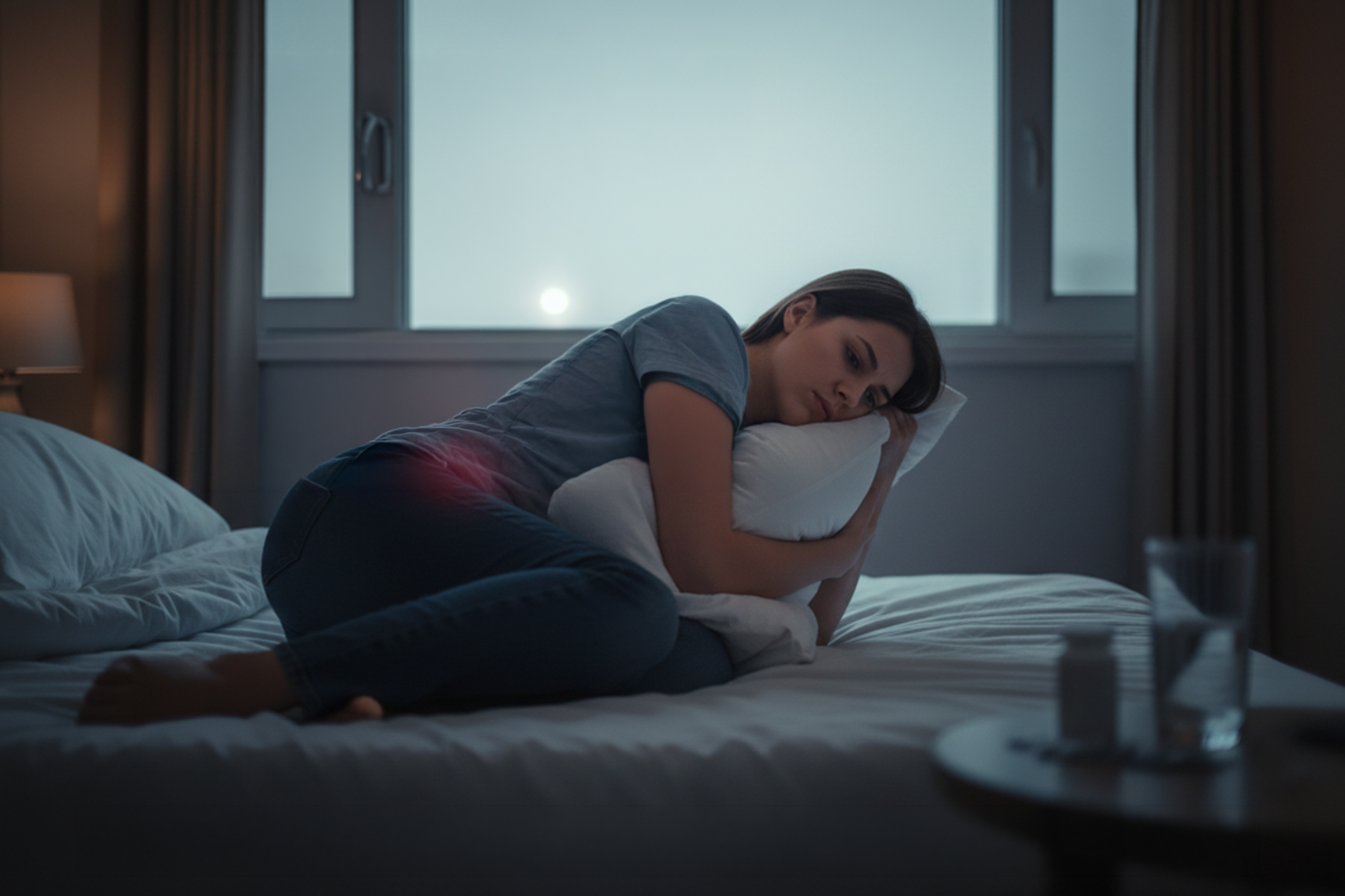
Depression exacerbates chronic pain symptoms because it lowers the pain threshold and can lead to poorer coping. Depression heightens sensitivity, and the symptoms intensify clinically due to neurotransmitter signals. The symptoms also exacerbate each other through inactivity, as low movement caused by depression contributes to bodily weakness.
Here’s how chronic pain is made worse with depression:
- Pain Threshold Reduction: The body is no longer capable of dampening the pain signals, which means even a minor stimulus feels more painful. clients with depression tend to have higher pain sensitivity and lower thresholds when compared to people without depression.
- Avoidance Behaviors: Depression tends to sap a person of energy and motivation, making them less willing to be active. Whether it’s caused by low movement or fear of pain, they may avoid movement altogether. This causes the joints to weaken and muscles to stiffen, leading to physical deconditioning. This, in time, worsens chronic pain.
- Stress-Related Physiological Shifts: Depressive states come along with muscle tension, poor sleep, and stress, preventing the body’s ability to recover. This sensitizes the nerves and has the potential to worsen existing pain.
- Poor Coping Skills: Depressed people may engage in poor coping mechanisms and self-care. CDC data shows that an average of 85-90%[1] of clients have difficulties in their daily activities due to depression. This includes self-care and therapy routines, undermining their body’s natural protective factors.
Each of these factors makes the pain worse and more persistent, which further feeds the feeling of doom. As mood lowers, pain intensifies, leading to long-lasting chronic pain when left untreated.
What Psychological Factors Worsen the Pain-Depression Cycle?
Psychological factors like rumination and fear avoidance worsen the pain-depression cycle. This cycle traps individuals with depression into a loop, making pain more burdensome. Depression grows even deeper unless it’s addressed with therapy, worsening mobility, and contributing to a feeling of helplessness.
This is even more evident in areas like Minnesota, where the cold aggravates the pain-depression cycle. Many clients with arthritis report higher pain levels when exposed to cold or damp weather. This happens because cold weather reduces circulation and constricts blood vessels, which worsens stiffness and joint pain. As such, the weather-influenced physical symptoms contribute to the psychological ones and vice versa. At Cabot, our experience highlights the fact that winter worsens this cycle. More clients come in with comorbid pain and depression during the colder months of the year.
Here are the most common psychological factors that worsen the cycle:
- Fear Avoidance
The fear avoidance model talks about a type of pain-related fear, which leads to avoidance of movement. This, in turn, causes functional decline, which further increases pain levels. The physical deconditioning leads to reduced engagement in social activity or mobility-based actions, which increases both depressive feelings and pain perception.
- Cognitive Amplifications
Clients with depression interpret the pain as worse than it objectively is, leading to catastrophizing. Clients with underlying chronic pain comorbidities start slipping into thought patterns like “I’ll never get better” or “this will destroy me,” adding to the feeling of helplessness even further. Clients experience higher pain severity and disability, which worsens their depressive symptoms.
- Rumination
Clients in chronic pain might spend their entire day and night thinking about the pain. They focus on the negative sensations, replay past episodes, or worry that the next episode will become even worse. This leads to psychological distress and higher pain interference, worsening depression, and pain symptoms.
- Sense of Helplessness
Clients with chronic pain and depression express negative coping beliefs, thinking they have little control over the pain. Once they set their minds that nothing will improve the pain, helplessness starts setting in. This reduces the motivation to engage in long-term rehabilitation and undermines their self-care tactics, increasing both pain severity and depressive symptoms.
- Withdrawal and Avoidance Behavior
The negative expectations or fear may cause individuals to withdraw from their social circles and avoid any meaningful activities. In turn, this keeps them from having positive experiences that bring a boost to their mood. In our experience, increasing these positive experiences is a critical element of our treatment.
This worsens the pain-depression cycle because people need serotonin to inhibit pain signals in the brain and spinal cord. Engaging in meaningful activities increases the neurotransmitter’s activity, reducing pain perception.
[1] Brody, D., & Hughes, J. (2025). Prevalence of depression in adolescents and adults: United states, august 2021–august 2023. National Center for Health Statistics, 527(527). https://doi.org/10.15620/cdc/174579
What Integrated Treatments Are Available for Pain and Depression in the Twin Cities?
Integrated treatments like CBT, medication, and physical therapy are synergistic when treating clients in the Twin Cities. The right combo of treatments targets dual issues, preventing them from reinforcing one another.
Here’s what clinics like Cabot Psychological Services recommend:
- Cognitive Behavioral Therapy (CBT): Most pain rehab centers in Minneapolis and Edina use therapies like CBT to reframe a client’s thoughts on pain and reduce catastrophizing. Studies at the University of Michigan School of Nursing show that CBT reduces pain intensity in 43%[1] of trials targeting clients with chronic pain.
- Medication Combos: Many mental health and pain management providers use non-opioid medications to target both the pain and chemical imbalances in the brain. SNRIs such as Duloxetine are prescribed for depression, but are also known for their utility in chronic pain issues. They modulate the pain pathways and reduce the intensity of the symptoms.
- Physical Therapy: Clinics also integrate physical therapy to rehabilitate the muscles and promote movement. These pain management programs reduce pain at a physiological level, especially when they are used alongside biofeedback and medication.
Their treatment combos are available in multidisciplinary clinics, offering holistic and integrated therapy under one roof. Depending on the symptoms, therapy includes education on nutrition for symptoms and stress reduction techniques. At Cabot, we can refer you to these clinics to collaborate with the therapy we offer in-house.
How Does CBT Address Both Pain and Depression?
CBT addresses both pain and depression as it reframes the perception of pain and breaks the pain-stress loop. It teaches individuals to challenge their catastrophic thoughts, replacing them with something more balanced.
The goal is to accept the pain and use different mood techniques to change your mindset about it. Both conditions (pain and depression) benefit from behavioral changes rather than relying on medication.
For instance, pain CBT protocols teach clients to replace thoughts such as “This pain will ruin me” with “I’m in pain, but I managed it before and will again.” Clients reduce their emotional distress by telling themselves, “There’s more to me than pain.” As their mood improves with CBT, so does their pain. We have seen this work with our clients.
CBT uses pacing skills combined with acceptance and commitment therapy (ACT) to eliminate unrealistic beliefs. Clients challenge their avoidance behavior by implementing a focus on meaningful activities. With time, this addresses co-occurring pain and depression merely by working around the pain-related distress.
What Medications Treat Co-Occurring Pain and Depression?
SNRIs and anticonvulsant medications modulate pain signals and treat the neuropathic aspects of chronic pain. Co-occurring disorders respond to shared targets, so meds that target those shared neurochemical pathways offer better potential for symptom relief.
Randomized studies at the University of Sydney show that roughly 9%[2] of antidepressants prescribed in Canada were for chronic pain. The same study reveals that 12% of individuals with chronic back pain used antidepressants to ease their symptoms.
Common medications used to treat both pain and depression include:
- Gabapentin: An anticonvulsant and neuromodulator that reduces neuronal excitability, preventing the nerve signaling from becoming overactive.
- Venlafaxine: An SNRI that increases the levels of both serotonin and norepinephrine, reducing pain intensity and offering mood regulation. Its dual indication makes it a standard choice when treating both depression and pain.
Pain that has a nerve-related component may benefit from antidepressants to reduce nerve hyperactivity. Depending on the circumstances, this can be more effective than OTC painkillers.
[1] Knoerl, R., Lavoie Smith, E. M., & Weisberg, J. (2015). Chronic Pain and Cognitive Behavioral Therapy. Western Journal of Nursing Research, 38(5), 596–628. https://doi.org/10.1177/0193945915615869
[2] Ferreira, G. E., Abdel-Shaheed, C., Underwood, M., Finnerup, N. B., Day, R. O., McLachlan, A., Eldabe, S., Zadro, J. R., & Maher, C. G. (2023). Efficacy, safety, and tolerability of antidepressants for pain in adults: overview of systematic reviews. BMJ, 380(8369), e072415. https://doi.org/10.1136/bmj-2022-072415
Where Can MN Residents Find Integrated Care for Pain and Depression?

Residents of Minnesota can find integrated care for pain and depression in specialized facilities, where they access team-based care. Clinics like Cabot Psychological Services rely on referring clients out for physical therapy and pain rehab, while they provide mental health support to address both pain and mood issues.
Consider the following locations:
- Cabot Psychological Services: Uses integrated health systems for long-term management of depression.
- Twin Cities Rehab Clinics: Offers interdisciplinary programs such as the Pain Rehabilitation Center (PRC).
- Minneapolis VA Comprehensive Pain Center: A program oriented at veterans that offers guidance for pain medicine, rehab, and integrated care.
- MN Support Groups: Community centers in Minnesota offer access to support groups, where clients can share insights for integrated care.
Long-term care improves outcomes, especially when combined with alternative remedies for pain. Centers that offer acupuncture or other pain management systems help reduce the recurrence of both pain and depression.

Comprehensive mental health treatment from home
90% of clients and their families would recommend Cabot Psychological Services


