

Infidelity Recovery Counseling in Minneapolis
Most people walk in thinking this is about the affair. It’s not. Or at least, not only about that.
Infidelity recovery counseling digs into everything the betrayal cracked open, including the stuff that was already fragile before anything happened.
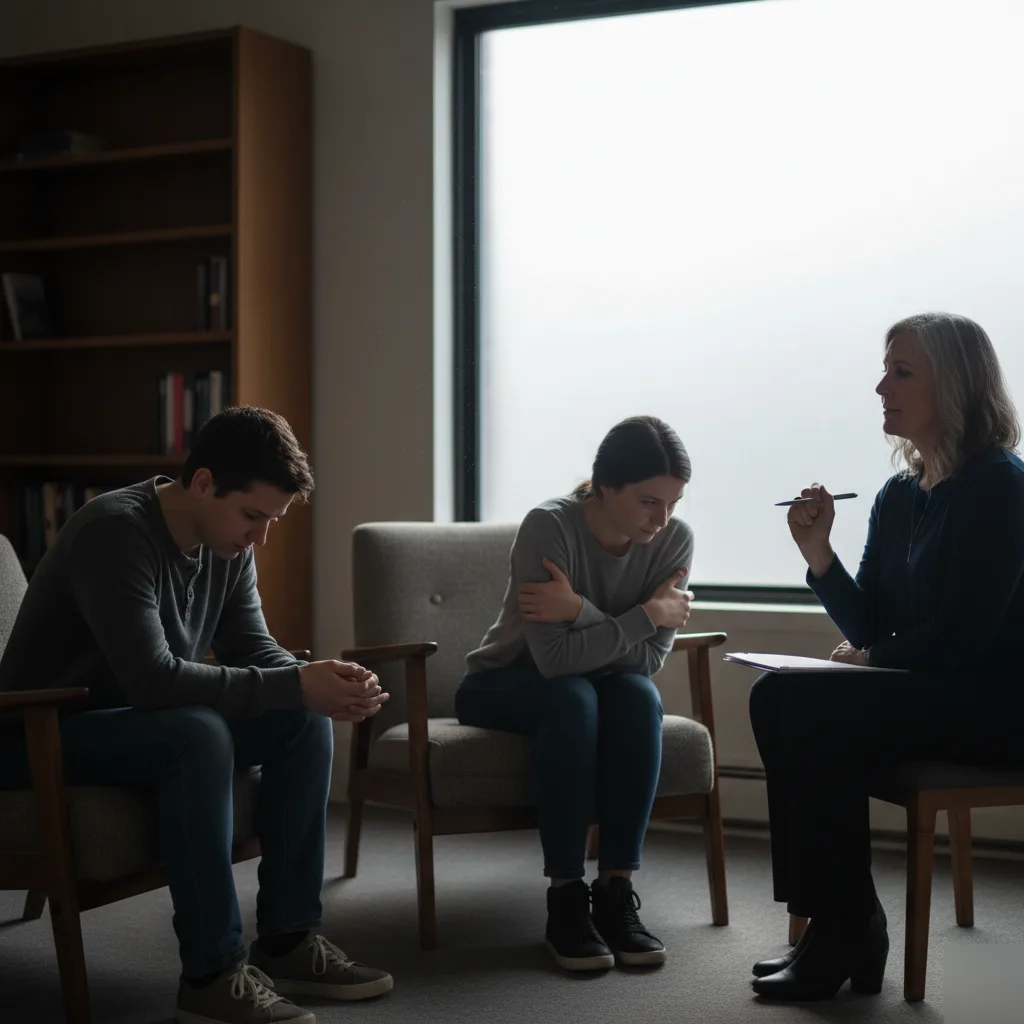
Table of Contents
ToggleWhat Infidelity Recovery Counseling Actually Addresses
We see couples from all over Minneapolis, and the surface story is always different. But underneath, the same patterns show up again and again. Trust is shattered. Communication broke down months or years ago. One partner feels invisible, the other feels suffocated. Infidelity counseling helps couples face what the affair made impossible to ignore.
Here’s what we actually work on in sessions:
- Rebuilding basic emotional safety so both partners can talk without shutting down
- Processing the trauma response the betrayed partner carries in their body and mind
- Understanding the “why” without using it as an excuse
- Relearning honest communication after secrecy became the default
- Deciding whether the relationship can heal or whether a healthy separation makes more sense
That last one surprises people. We’re not here to save every marriage at all costs. We’re here to help you figure out what’s actually possible and what you actually want. Sometimes those are two different things.
For couples where one or both partners also deal with ADHD or OCD, the recovery gets more layered. ADHD can make impulsive decisions feel unstoppable. OCD can turn the betrayed partner’s intrusive thoughts into a 24-hour loop of mental replays. how to work with that because our practice treats those conditions every day. It’s not a side note for us, it’s central to how we approach your situation.
Most of the time, the couple sitting across from us hasn’t had a real conversation in weeks. They’ve had arguments. They’ve had silence. But not a conversation where both people feel heard. That’s where this work starts. Not with blame. Not with a timeline of who did what. With two people in a room learning to actually talk again.
What to Expect at Each Stage of the Recovery Process
Most couples who walk into our Minneapolis office don’t know what recovery actually looks like. That’s okay. We’ve guided hundreds of people through this, and knowing the road ahead makes it less scary.
You can also visit our couples and marriage therapy page to learn more about how we work with relationships at every stage.
Infidelity recovery counseling moves through stages. Not rigid ones. But there’s a pattern we see again and again, and it helps to name it so you can feel where you are.
The Crisis Stage
This is where most people start. Everything feels raw. You might be sleeping in separate rooms or barely talking. Some couples come in days after discovery. Others wait months, carrying it alone. Either way, we focus on one thing first: emotional safety. We set ground rules for how you’ll talk to each other in session and at home. No ambushes. No interrogations at 2 a.m. We slow everything down so the panic has room to settle.
The Understanding Stage
Once the initial shock fades, we dig into the “why.” Not to excuse anything. To understand. This is where real work happens, and it’s also where couples start to feel a shift. We look at what was missing, what went unspoken, what patterns built up over years. If one or both partners also deal with ADHD or OCD, those conditions often play a role in communication breakdowns that we need to address.
The Rebuilding Stage
Here’s where you decide what comes next. Some couples choose to rebuild together. Some realize they’re better apart. Both outcomes are valid. For those who stay, we work through a clear process:
- Establish new boundaries and transparency agreements
- Rebuild trust through small, consistent actions over time
- Develop communication habits that actually stick
- Address lingering triggers before they spiral
- Create a shared vision for what your relationship looks like going forward
According to the American Association for Marriage and Family Therapy, roughly 70 percent of couples who commit to structured recovery counseling report meaningful improvement. We see that play out right here in Minneapolis.
The couples who do best aren’t the ones with the least damage. They’re the ones who show up consistently. That’s it. If you’re ready to start that process, give us a call.
Why One Partner Can Start Before the Other Is Ready
This comes up almost every week in our Minneapolis office.
One partner is desperate to start working through things. The other isn’t there yet. Maybe they’re still in shock, still angry, or just not sure counseling will help. That gap between “I need to talk about this now” and “I can’t even look at you right now” is real. It doesn’t mean the relationship is over. It means you’re both processing at different speeds, and that’s normal.
Here’s what we tell people: you don’t have to wait. Individual therapy can be a powerful first step while your partner figures out their own timeline. Working one-on-one lets you sort through the flood of emotions without worrying about how your partner is reacting in the same room. You can grieve. You can be furious. You can ask the hard questions out loud.
And sometimes, when one person starts doing the work, the other person notices. They see changes. They get curious. We’ve watched this happen dozens of times. One partner comes in alone for a few sessions, the other eventually calls us too.
There are good reasons someone might not be ready right away:
- Shame that makes it hard to sit in a room and be honest
- Fear that counseling means they’ll be blamed for everything
- Not believing anything can actually change
- Feeling pressured, which makes them pull back harder
None of those reasons are permanent. But pushing someone into infidelity recovery counseling before they’re willing usually backfires. It creates resentment instead of progress. Our licensed therapists understand this dynamic well. We can help you build coping skills and clarity on your own while leaving the door open for couples work later.
So if you’re the one who’s ready and your partner isn’t? That’s okay. Start where you are. The work you do now will matter whether your partner joins next week or next month.
How Minneapolis Winters and Isolation Shape Recovery
We lose daylight fast here. By December, Minneapolis gets about eight and a half hours of sun. That matters more than most people think when a couple is trying to rebuild trust.
Cold and dark months push people indoors. You’re stuck in the same house, same rooms, same silence. For couples working through infidelity recovery counseling, that closeness can feel suffocating. There’s nowhere to go cool off. No easy walk around Bde Maka Ska to clear your head. The walls close in, and small disagreements turn into full-blown fights about the affair all over again.
We see this pattern every November through March. Couples who were making real progress in fall suddenly hit a wall. Seasonal mood changes pile on top of grief, betrayal, and shame. One or both partners may already deal with depression or anxiety. The winter just turns up the volume on everything.
Here’s what isolation does to recovery specifically:
- Less social contact means fewer healthy outlets for stress
- Reduced sunlight can lower serotonin, making emotional regulation harder
- Cabin fever creates more opportunities for rumination and obsessive thought loops
- Partners who also manage ADHD or OCD often see symptoms spike in winter months
So we plan for it. If you start working with us in September, we’re already talking about what January will look like. We build coping strategies around the reality of Minneapolis weather, not some generic advice that ignores where you actually live. That might mean adjusting session frequency during the hardest months. It might mean coordinating with a prescriber on our team if mood symptoms need extra support.
Winter doesn’t pause your recovery. But it does change the terrain, and we help you work through that.
Signs the Relationship Is Moving Forward, and When to Reassess
Progress doesn’t look like a straight line. Not even close.
We tell couples to watch for small shifts instead of waiting for some big dramatic moment. Maybe you notice you went a full day without checking their phone. Or you’re sitting together and your partner mentions something hard without it turning into a fight. Those tiny changes matter more than you think. Real recovery shows up in the quiet moments, the ones nobody else would notice.
Here’s what forward movement actually looks like in infidelity recovery counseling:
- Conversations about the affair feel less like emergencies and more like honest talks
- The partner who was unfaithful takes responsibility without getting defensive
- You’re both showing up to sessions ready to work, not just survive
- Trust starts rebuilding in small ways, like following through on promises
- You catch yourselves laughing together again
We see this shift happen at different speeds for every couple. Some feel it around session five. Others need months. Both are completely normal.
But here’s the honest part. Sometimes the work reveals that the relationship isn’t heading where both people need it to go. That’s not failure, it’s clarity. If one partner keeps stonewalling or refuses to engage with the process, we’ll name that directly. If resentment keeps growing despite consistent effort, that tells us something too. We’ve worked with couples who came in hoping to save the marriage and realized they needed to have a different conversation entirely. Our team can help with that through divorce and separation counseling if that’s where things land.
Reassessing doesn’t mean quitting.
It means being brave enough to ask whether this path is still right for both of you. Sometimes couples who hit a wall discover they need individual therapy first. Maybe one partner is dealing with untreated ADHD or anxiety that keeps hijacking every conversation. We can coordinate that care right here in our practice. More often than not, the couples who do the hardest reassessing end up making the clearest decisions, whether that’s recommitting or moving forward separately with respect.
Frequently Asked Questions
Q: How long does infidelity recovery counseling usually take in Minneapolis?
A: Most couples in Minneapolis see real progress within 3 to 6 months of consistent sessions. That said, every situation is different. If one or both partners also deal with ADHD or OCD, the process may take longer because those conditions add layers to communication and trust work. The couples who move fastest are the ones who show up regularly and do the work between sessions, not just in the room.
Q: Does both partners have to be ready to start counseling at the same time?
A: No, you do not both have to be ready at the same time. One partner can start individual therapy while the other figures out their own timeline. This is actually very common. Working alone first lets you process your emotions without managing your partner’s reactions in the same room. Many times, when one person starts making changes, the other partner gets curious and decides to join.
Q: What happens in the first session of infidelity recovery counseling?
A: The first session is about slowing things down, not diving into the full story right away. We focus on creating basic emotional safety so both partners can talk without shutting down or exploding. We set simple ground rules for how conversations will go, both in the office and at home. You will leave the first session with a clearer sense of what the process looks like and what comes next.
Q: Can infidelity recovery counseling help even if we are not sure we want to stay together?
A: Yes, counseling can help even when you are not sure what you want. Not every couple who comes in is trying to save the relationship. Some people need help figuring out what is actually possible and what a healthy separation would look like. Both outcomes are valid. The goal is not to save every marriage at all costs. It is to help you get clear on what you actually want and what is realistic.
Q: How does Minneapolis weather and long winters affect the counseling process?
A: Minneapolis winters are long and isolating, and that isolation can make emotional pain feel heavier. Couples who are already struggling often find that being stuck indoors together for months makes tension worse. We see a real spike in people reaching out between January and March. Telehealth sessions are available during those months so you do not have to drive across the city in a snowstorm to keep your appointments.
Q: Is infidelity recovery counseling only about the affair itself?
A: No, sessions go much deeper than just the affair. The affair is usually a sign that something was already broken, like trust, communication, or emotional connection. We work on all of it. That includes processing the trauma the betrayed partner carries, understanding the patterns that built up over years, and rebuilding honest communication. The affair is where the conversation starts, not where it ends.
Our Insurance Partners
We accept most major insurance plans to make care accessible


Cabot Clients Say
"Sessions with Amanda are empowering."
Sessions with Amanda are empowering. She is a deeply kind therapist who has helped me to process, heal, and develop as a person.
"I have been a client of Cabot since the inception in 2010"
I have been a client of Cabot since the inception in 2010; my experience with the therapists and administrative staff have always been positive. I trust them and have referred both family and friends to Cabot and all have come back thanking me for the referral and have benefited from the caring and compassionate work of the Cabot staff.
"Cabot provides a welcoming and safe environment"
Cabot provides a welcoming and safe environment for those who may be struggling or need additional support. Each time I come for an appointment I am welcomed with a smile and hello not only from my therapist but others who pass through the waiting room.

REACH OUT TO START YOUR HEALING JOURNEY TODAY
Fill out our form or call us directly to learn if Cabot Psychological Services is right for you or a loved one.


WE PROUDLY PARTNER WITH MANY MAJOR INSURANCE PROVIDERS, INCLUDING COMMERCIAL AND MEDICAID